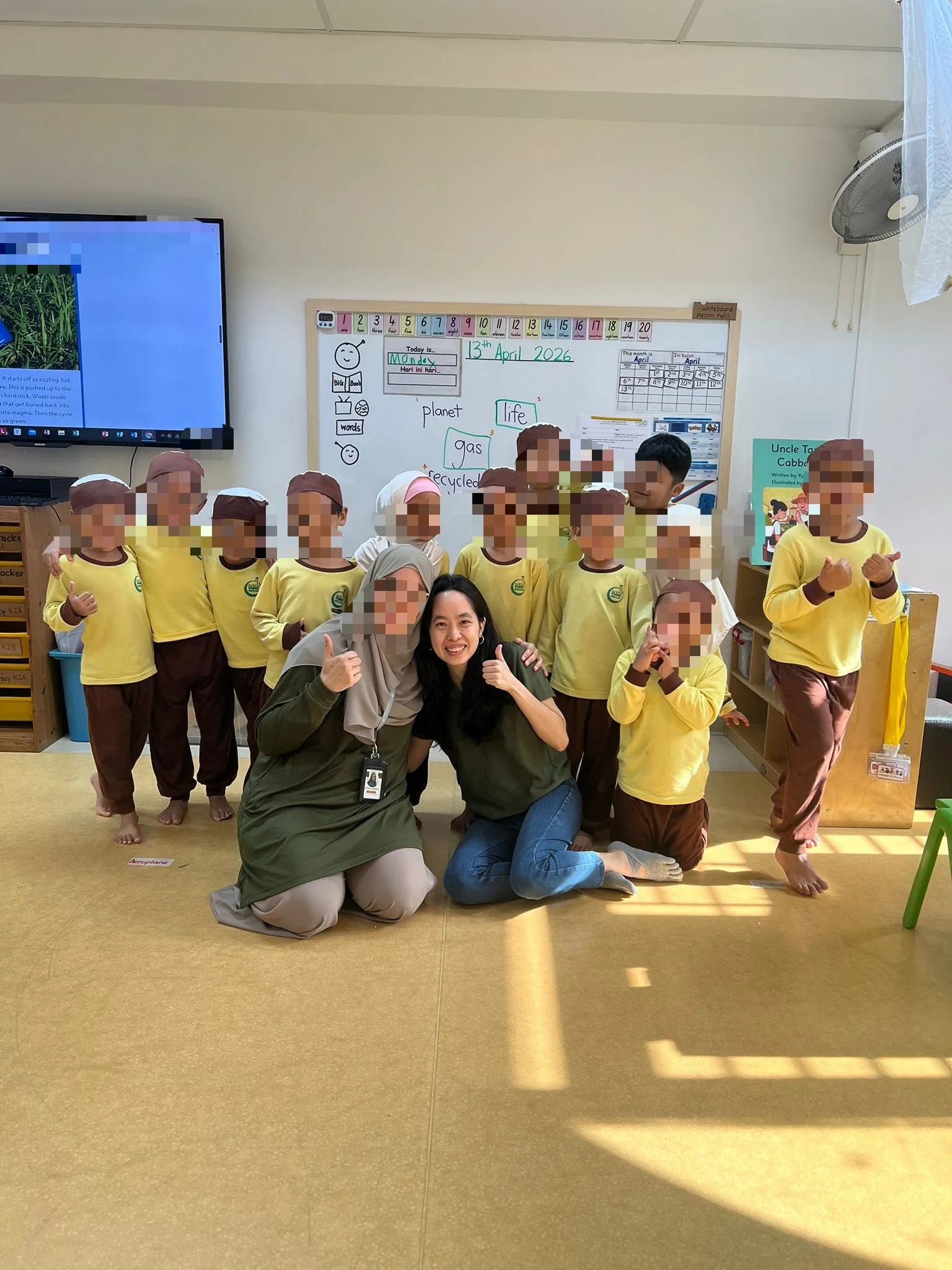
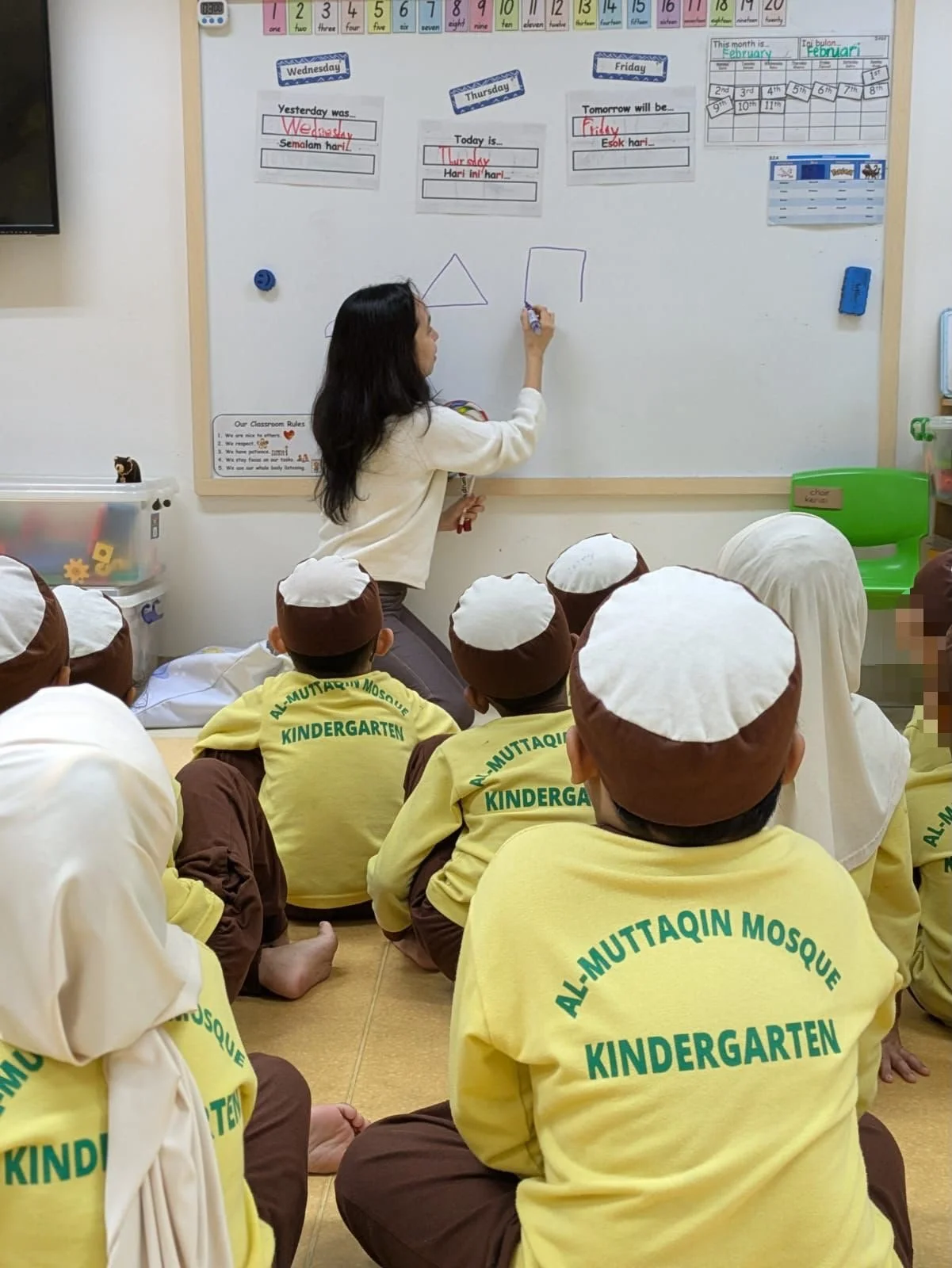
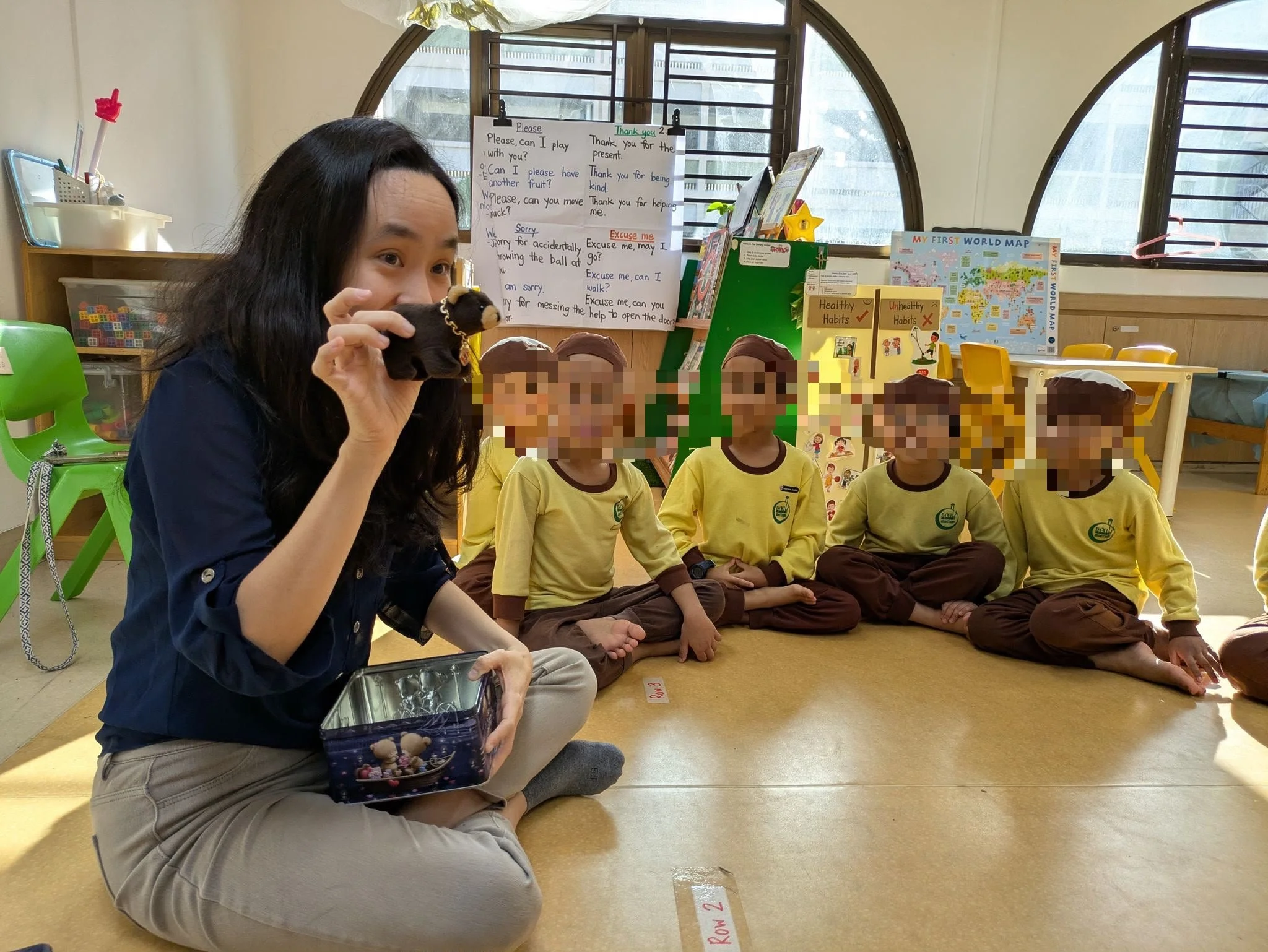
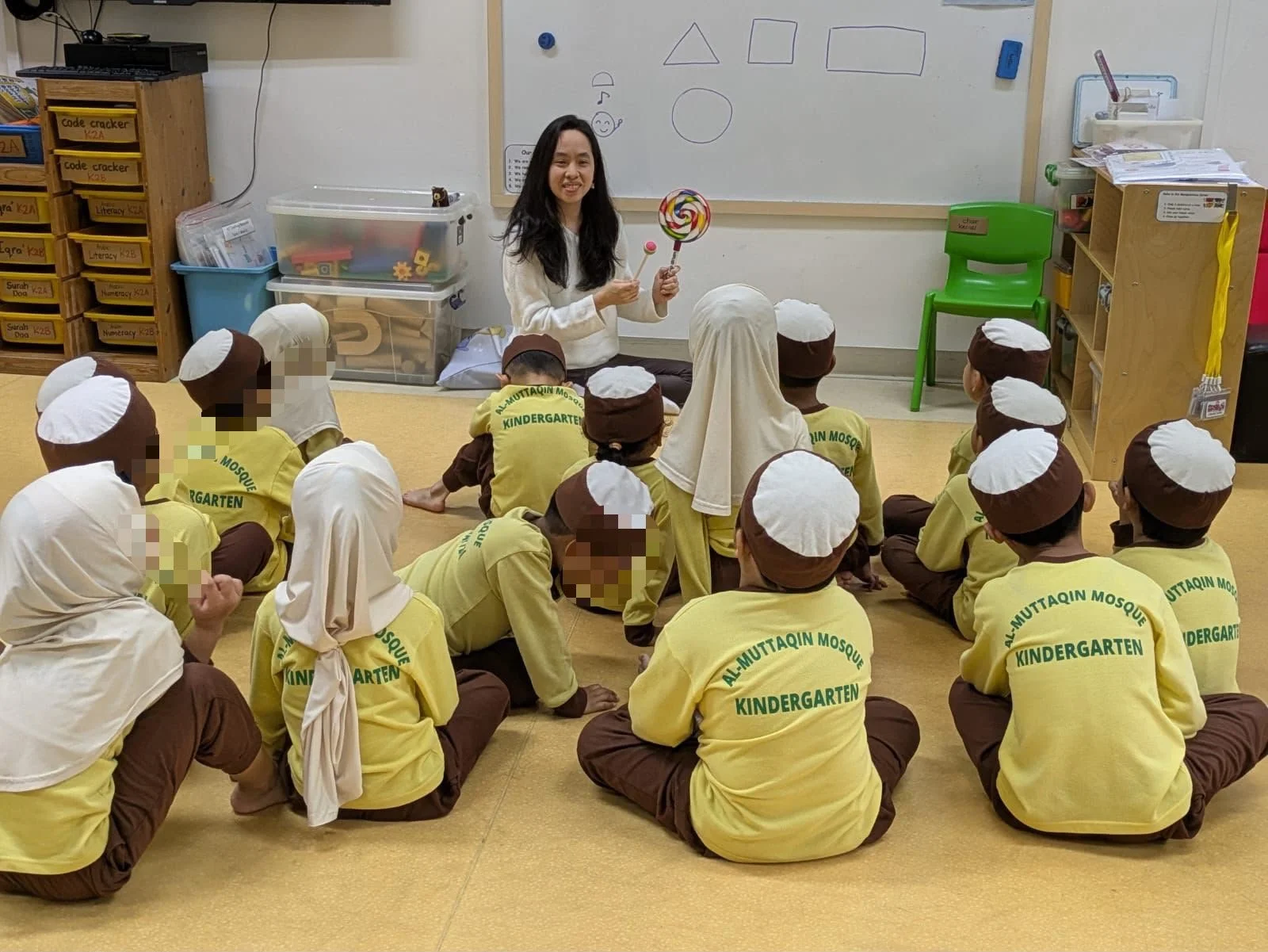
Wolf Trap in Singapore
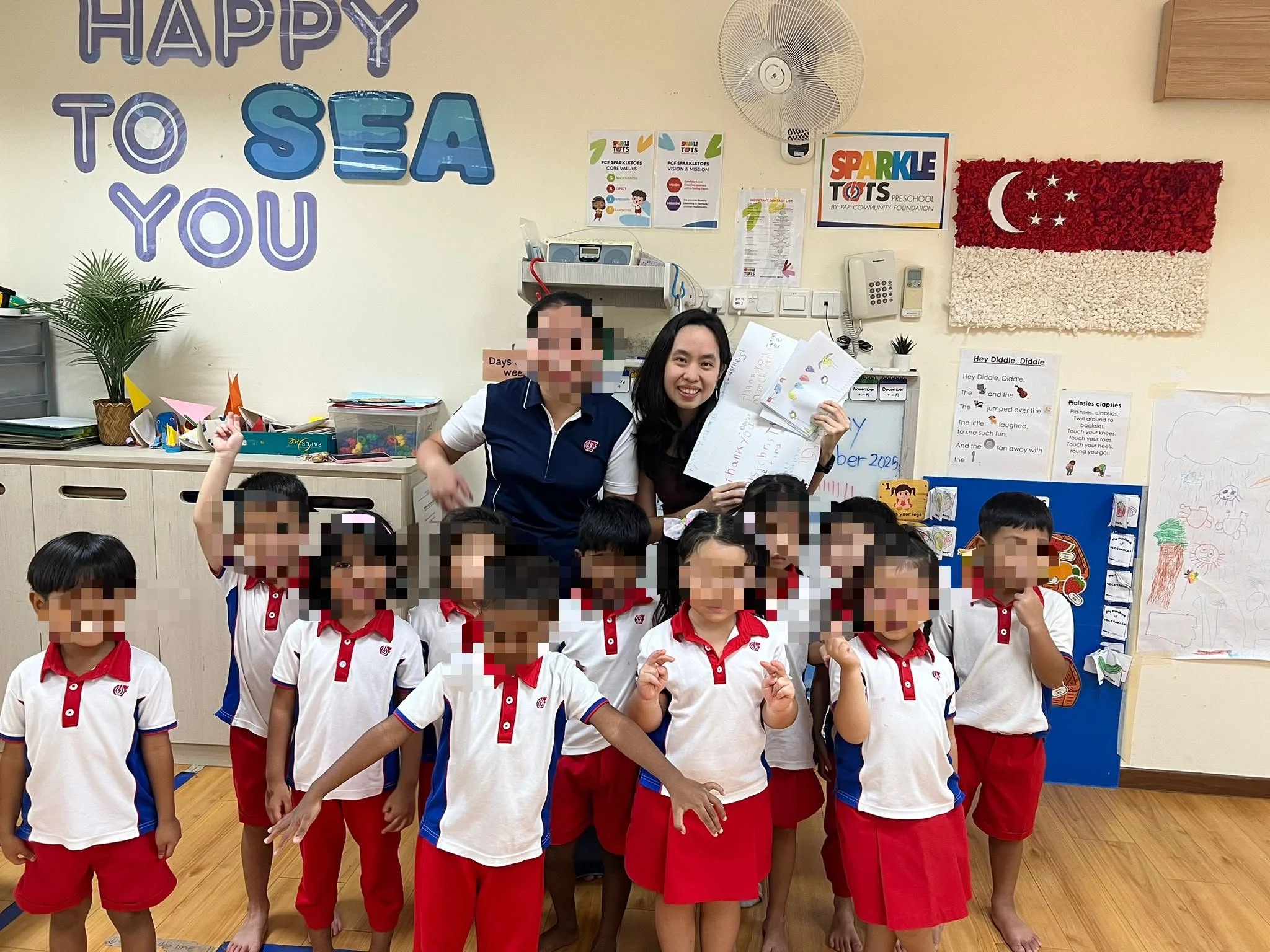
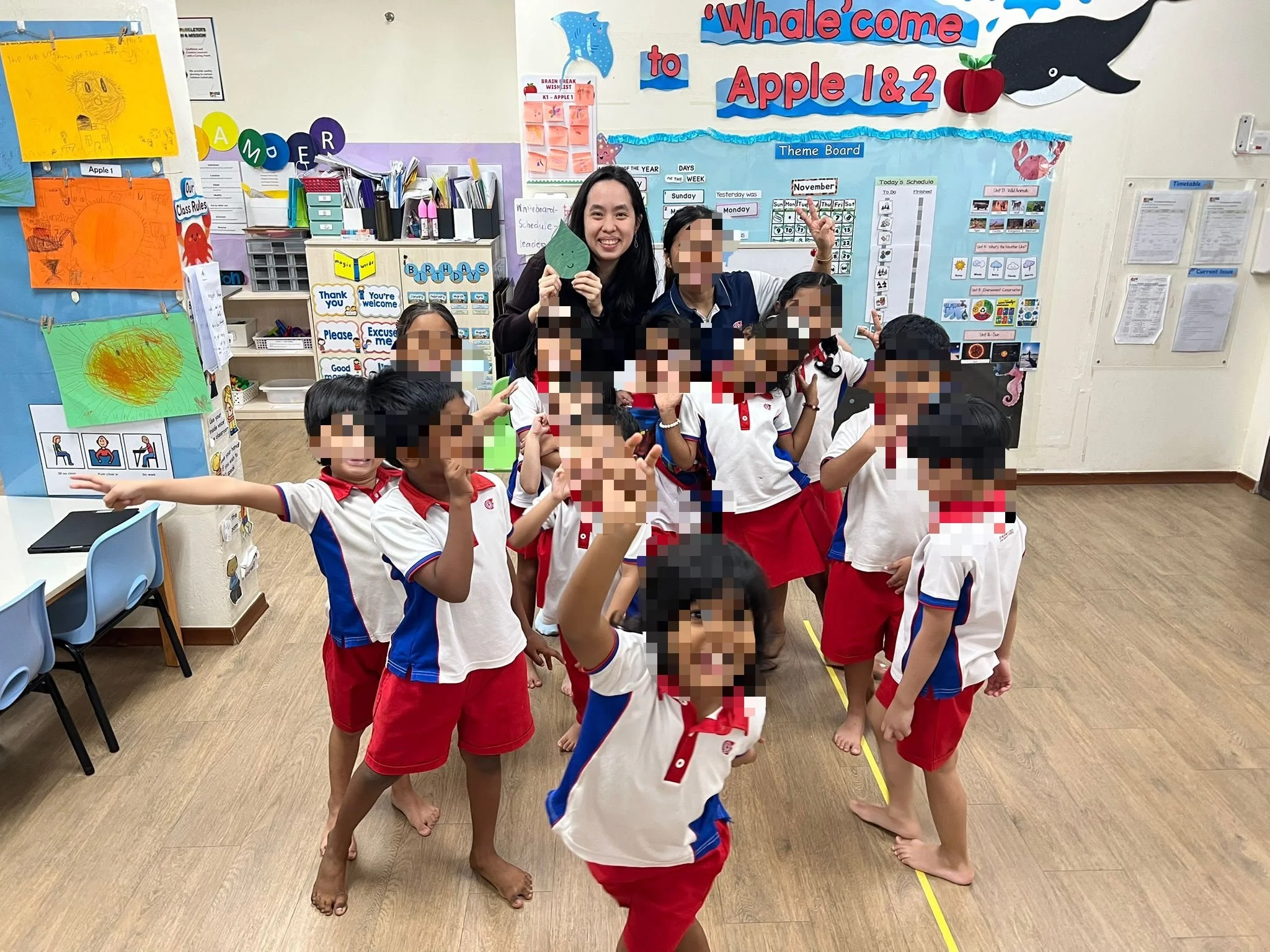
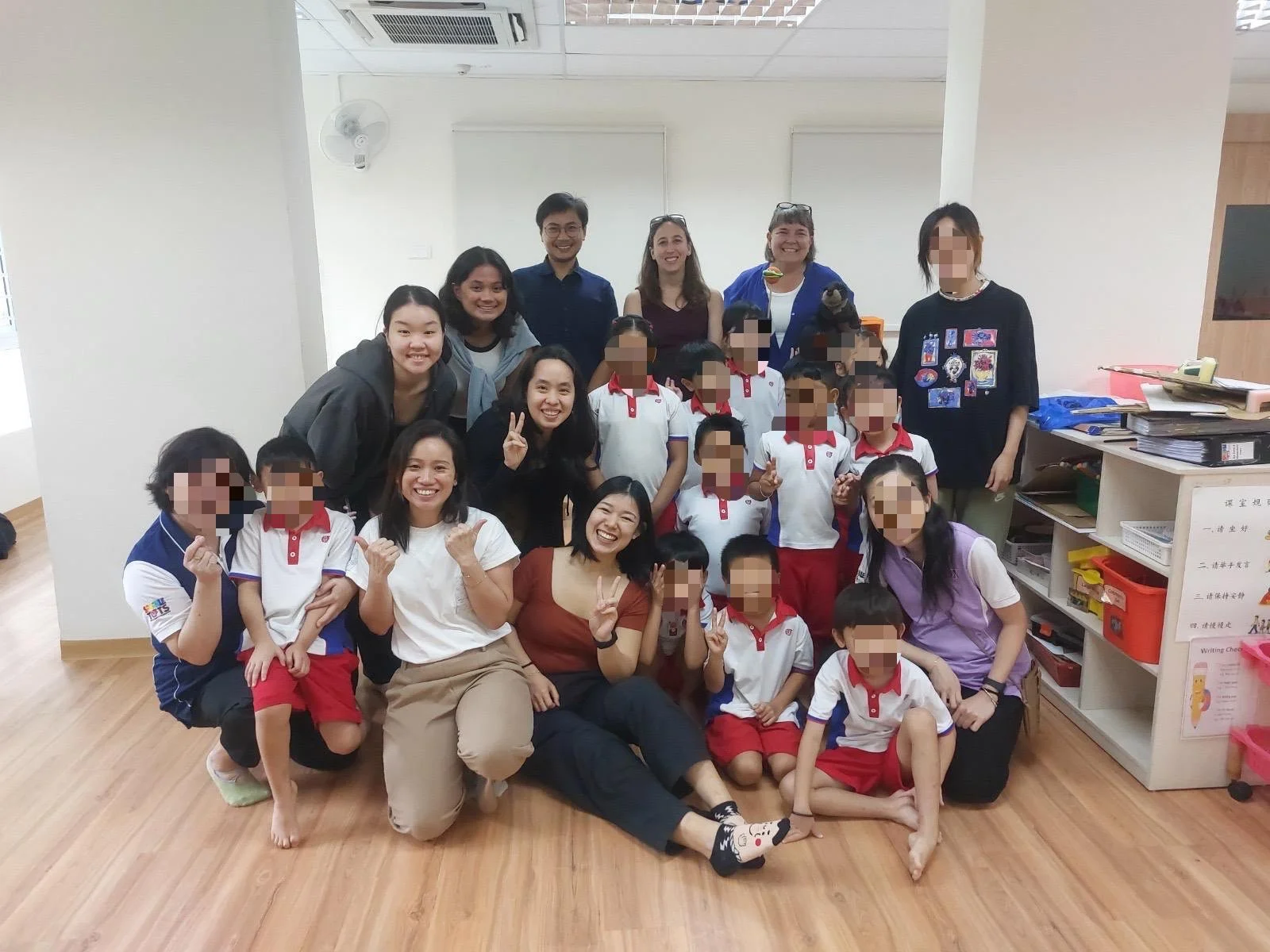
Christina helps teachers teach better and children learn happier through arts‑integrated strategies that deepen learning across language, numeracy, discovery, motor skills, and social‑emotional development- so the arts strengthen, rather than sit outside of, the core curriculum.
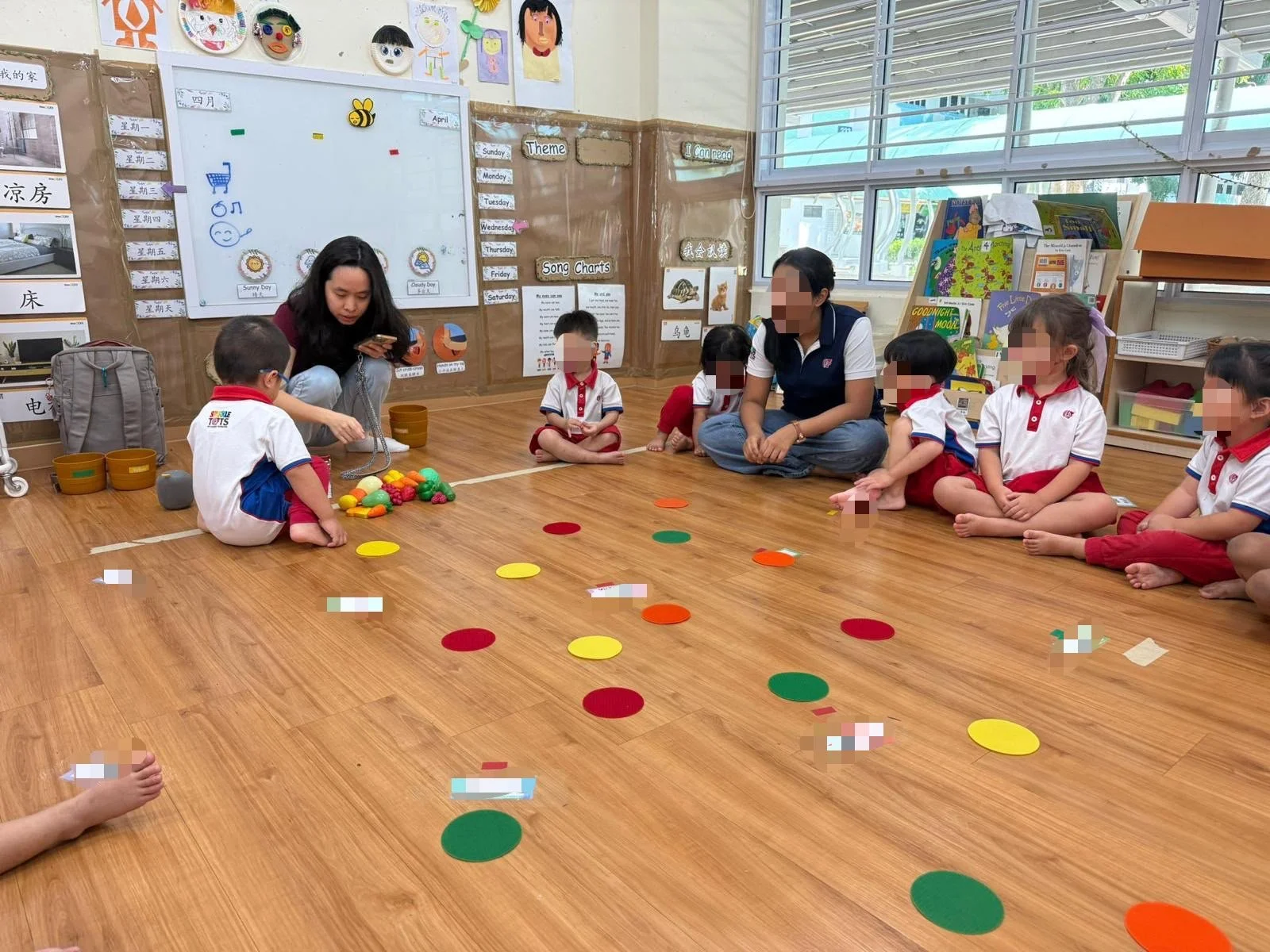
Her impact spans the entire year, leading intensive 16-week residencies across up to eight preschools and classrooms annually.
Since end 2025, the residency programme is also in partnership with National Institute of Education (NIE), which has come on board to officially conduct multi-year research into the impact of arts integration strategies towards teaching pedagogies and children learning within the Singaporean preschool context.
Learning Through the Arts
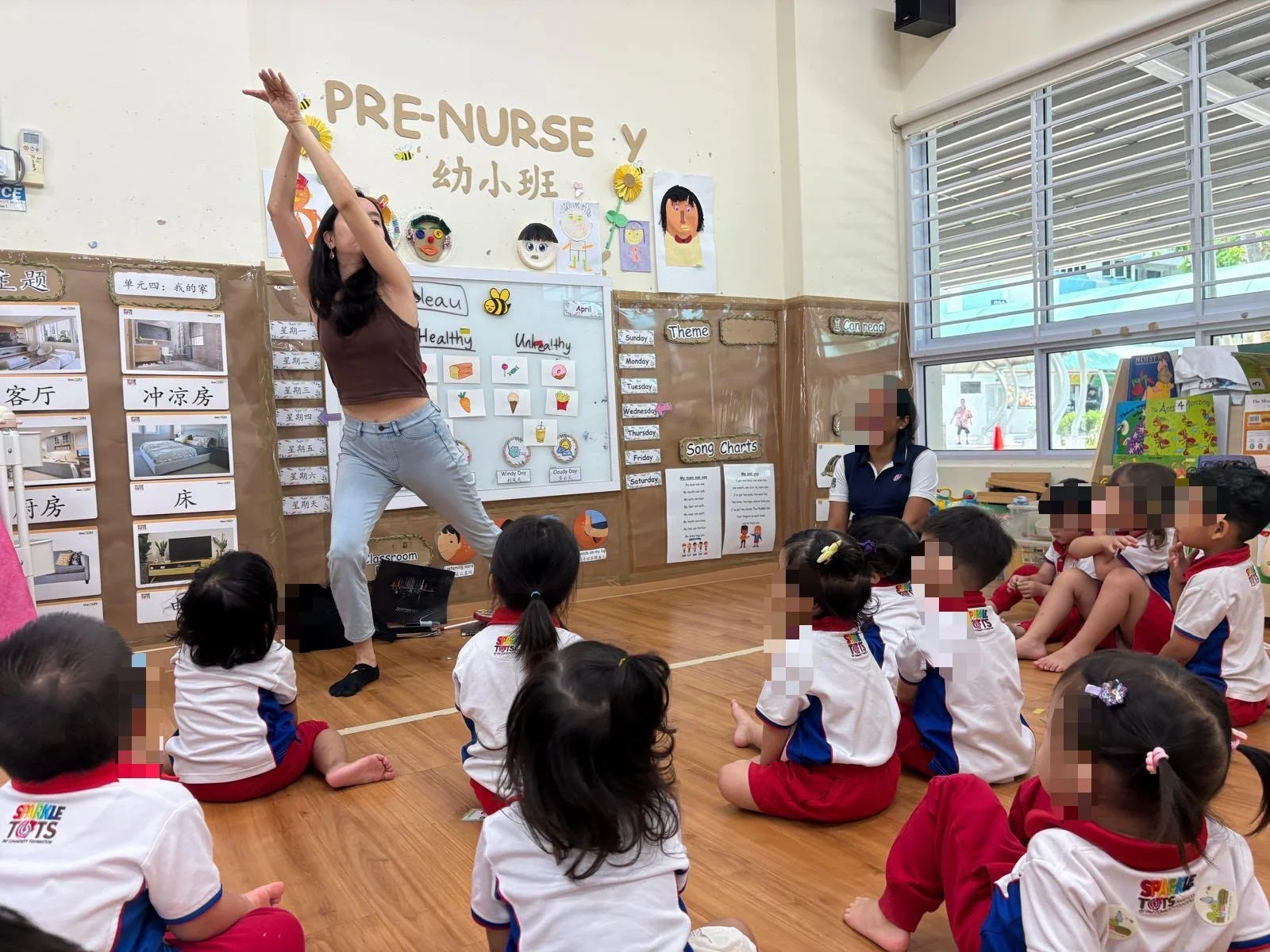
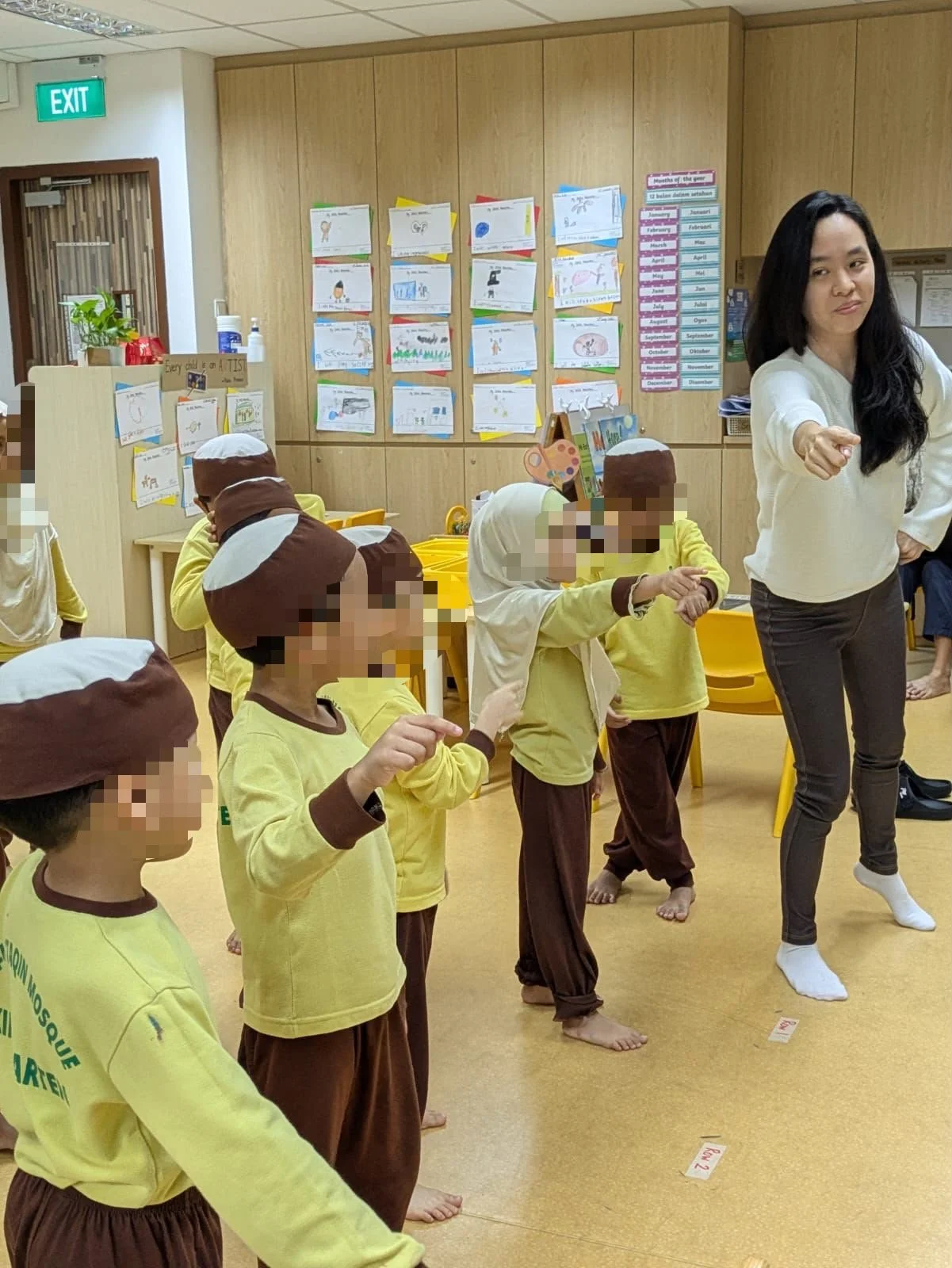
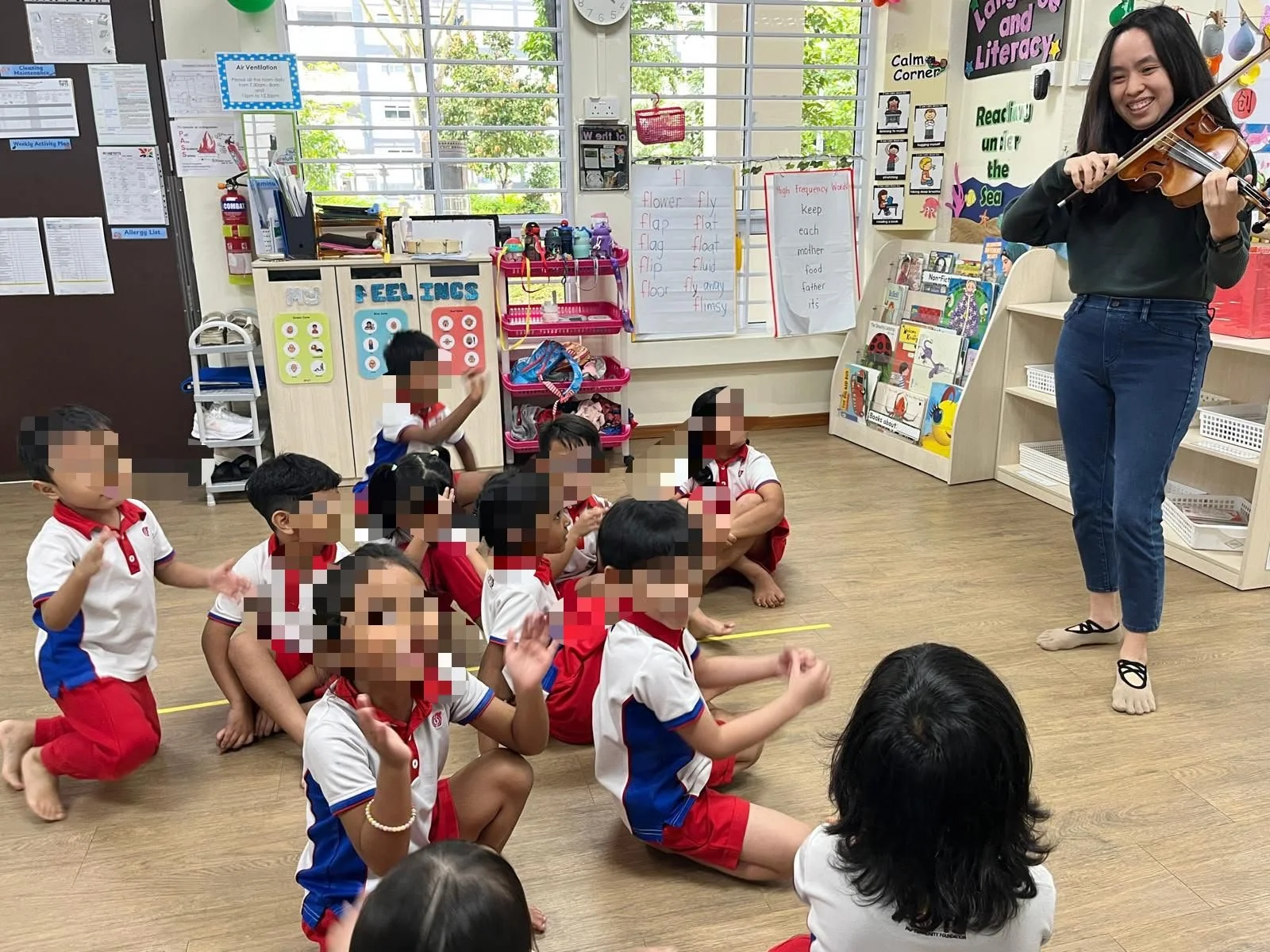
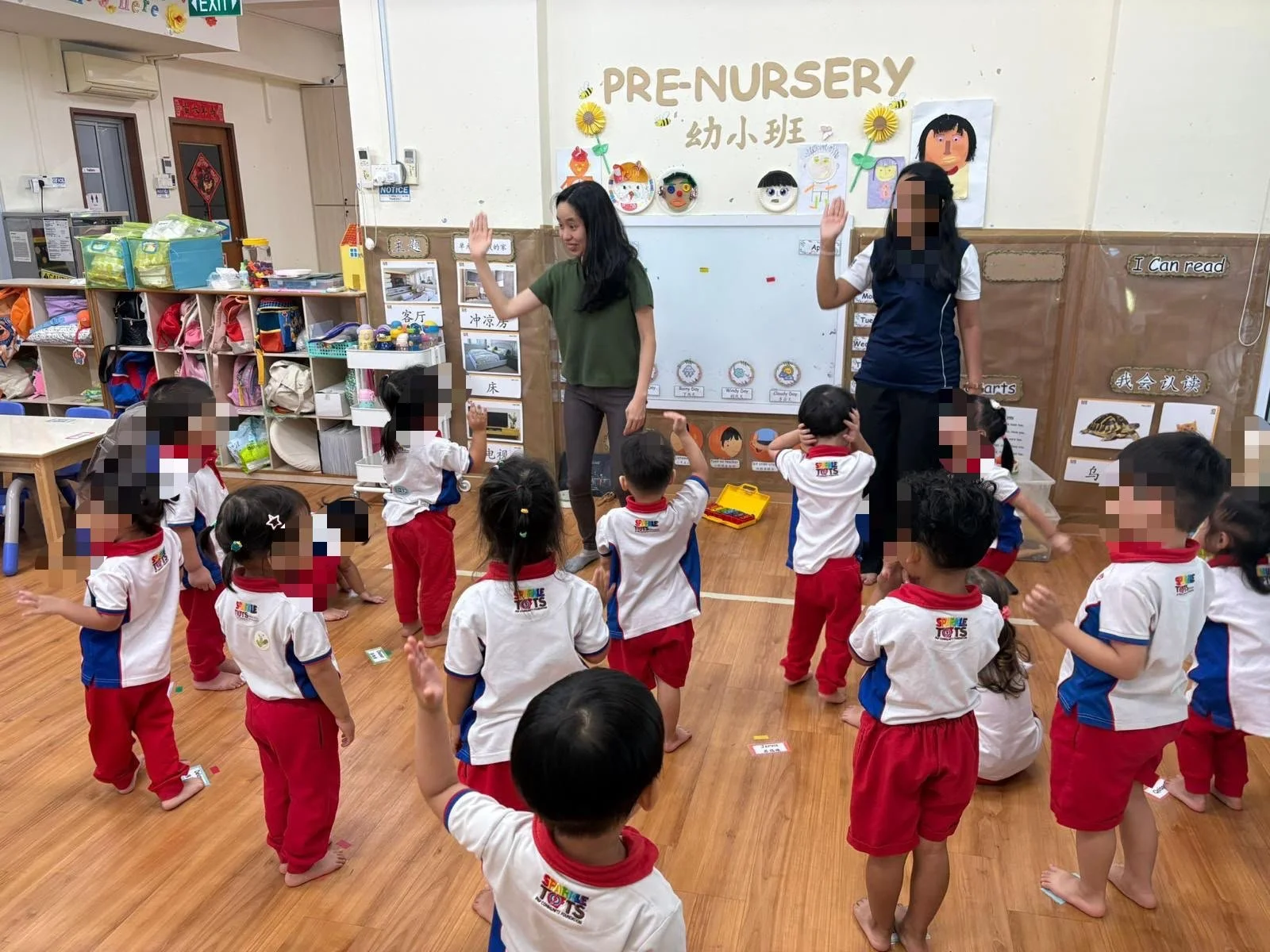
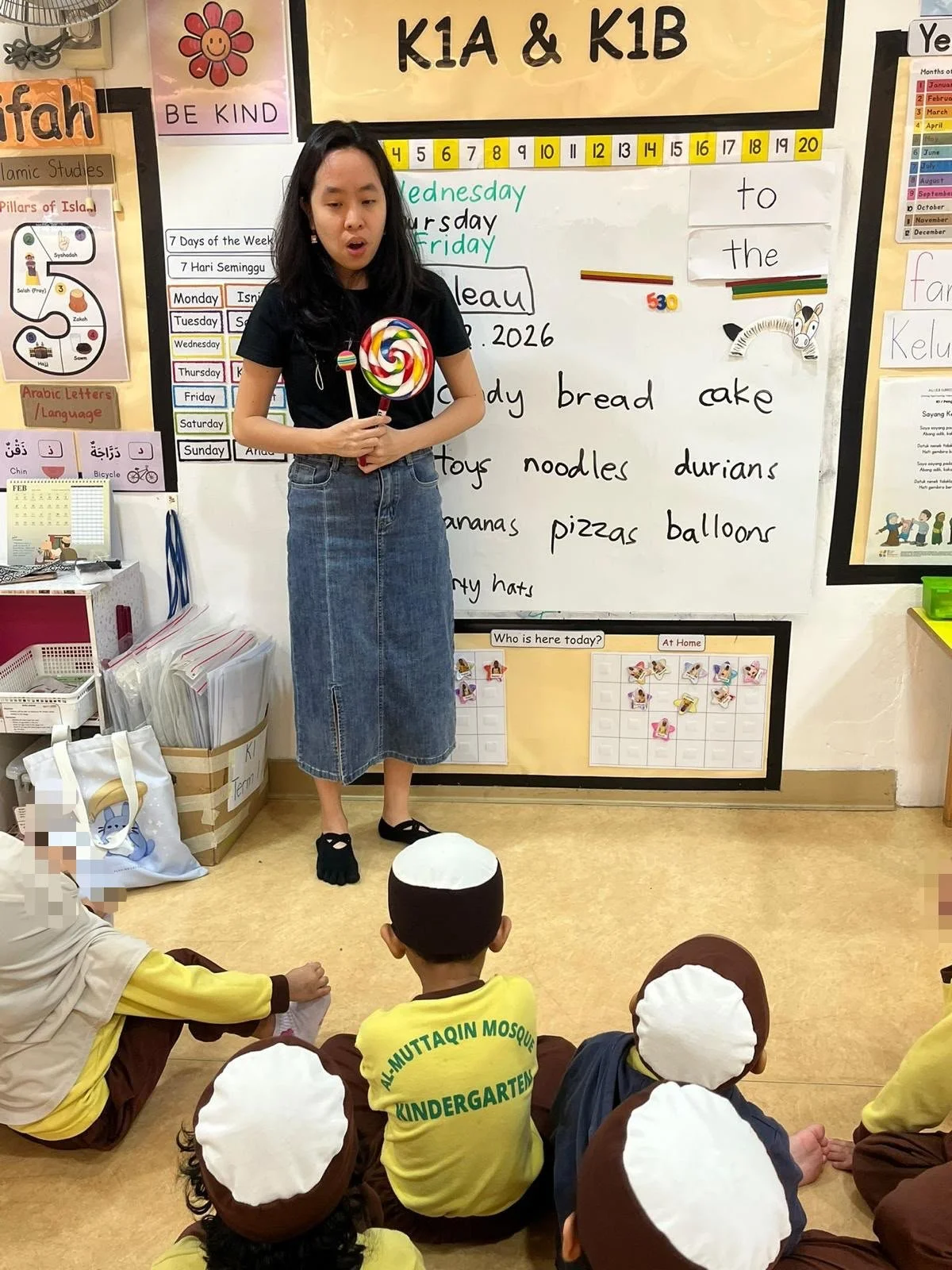
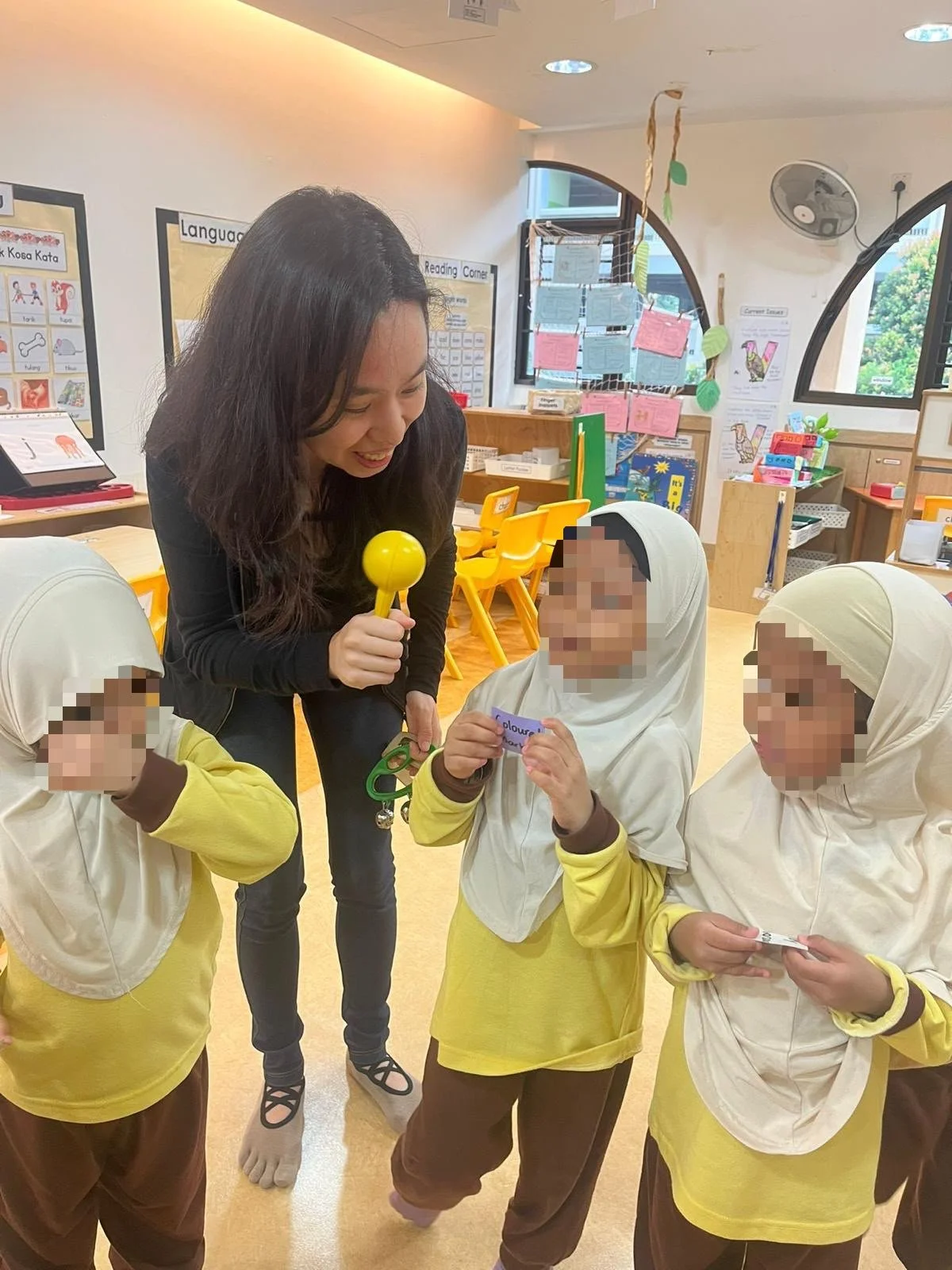
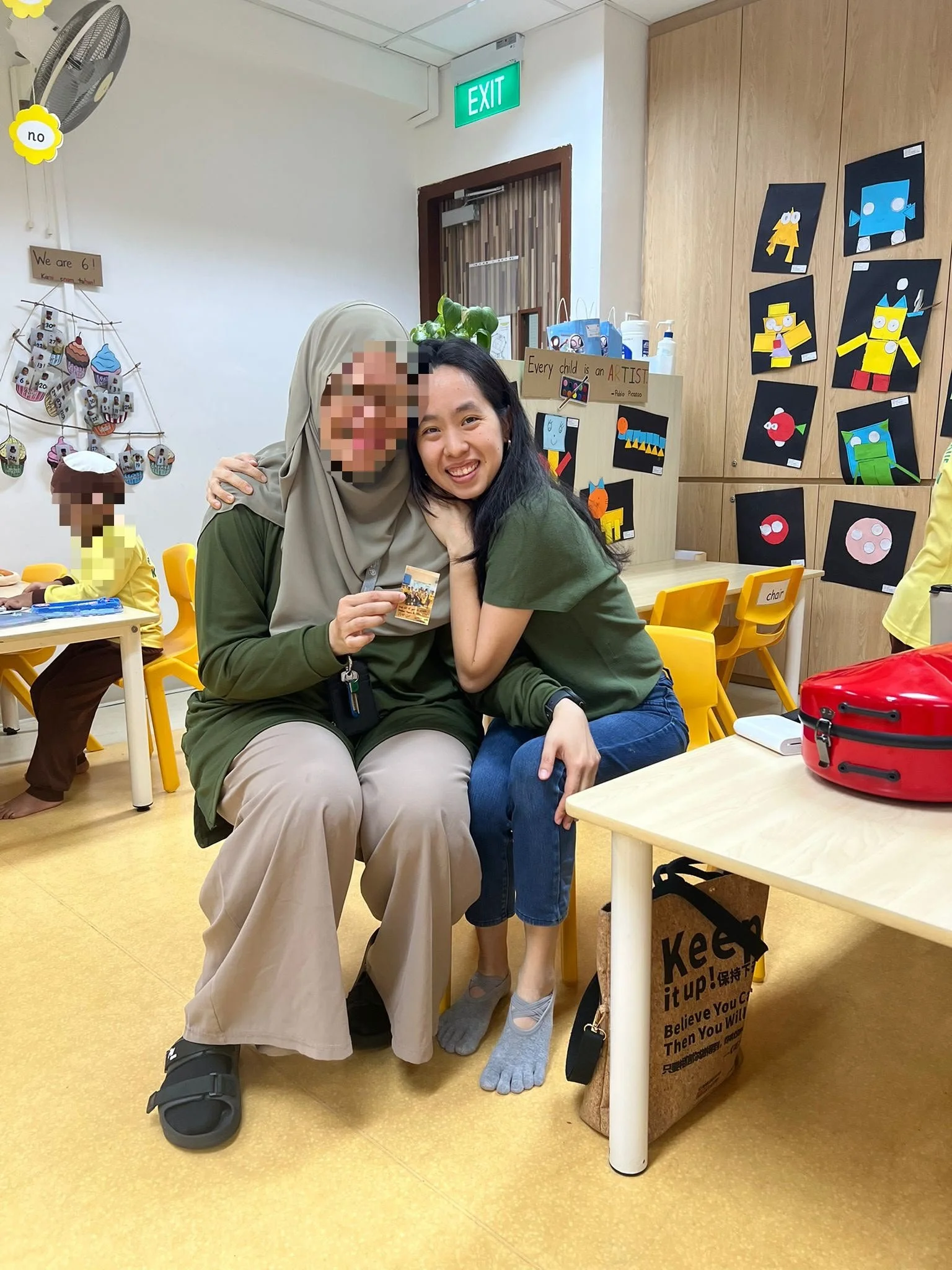
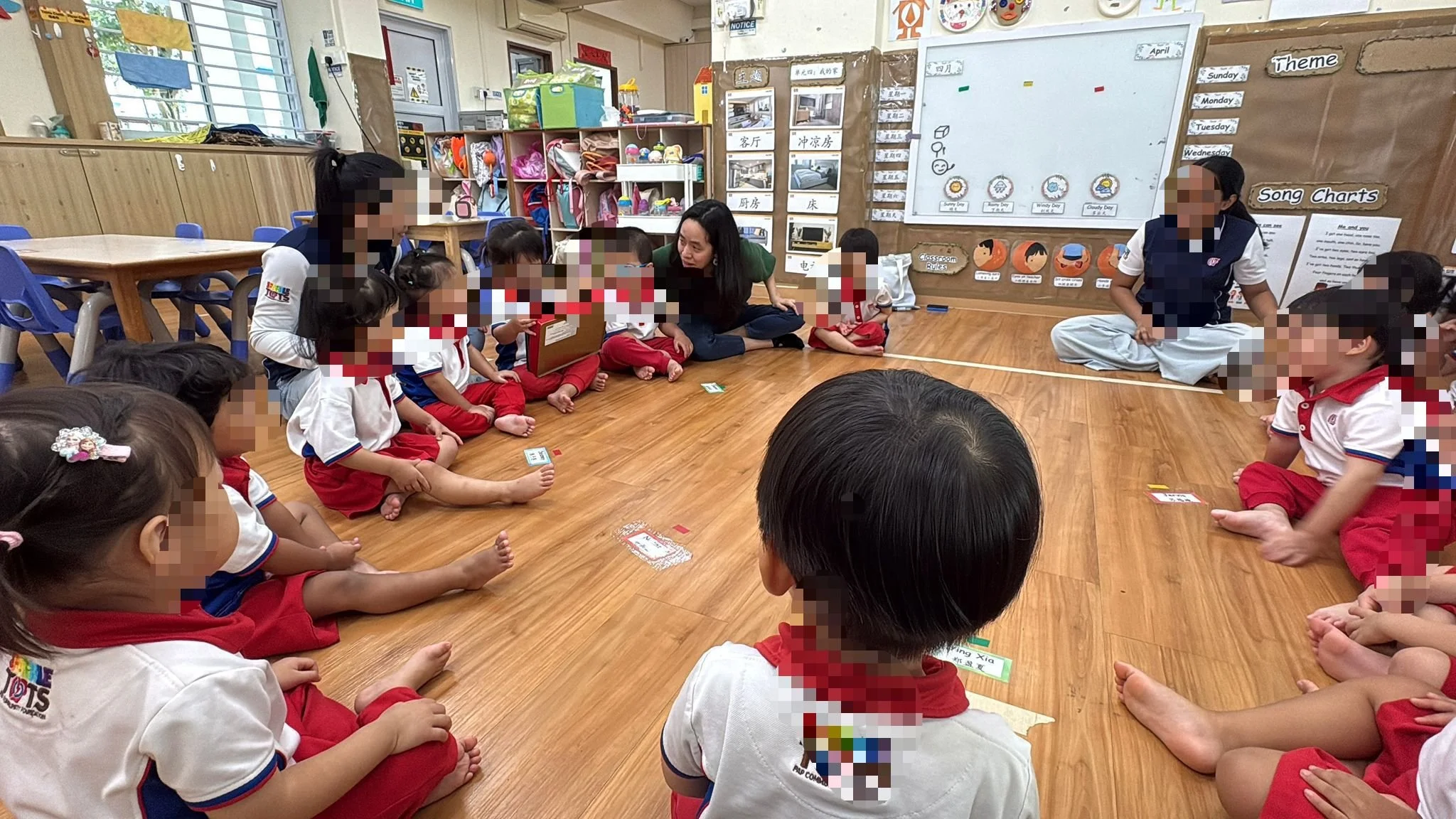
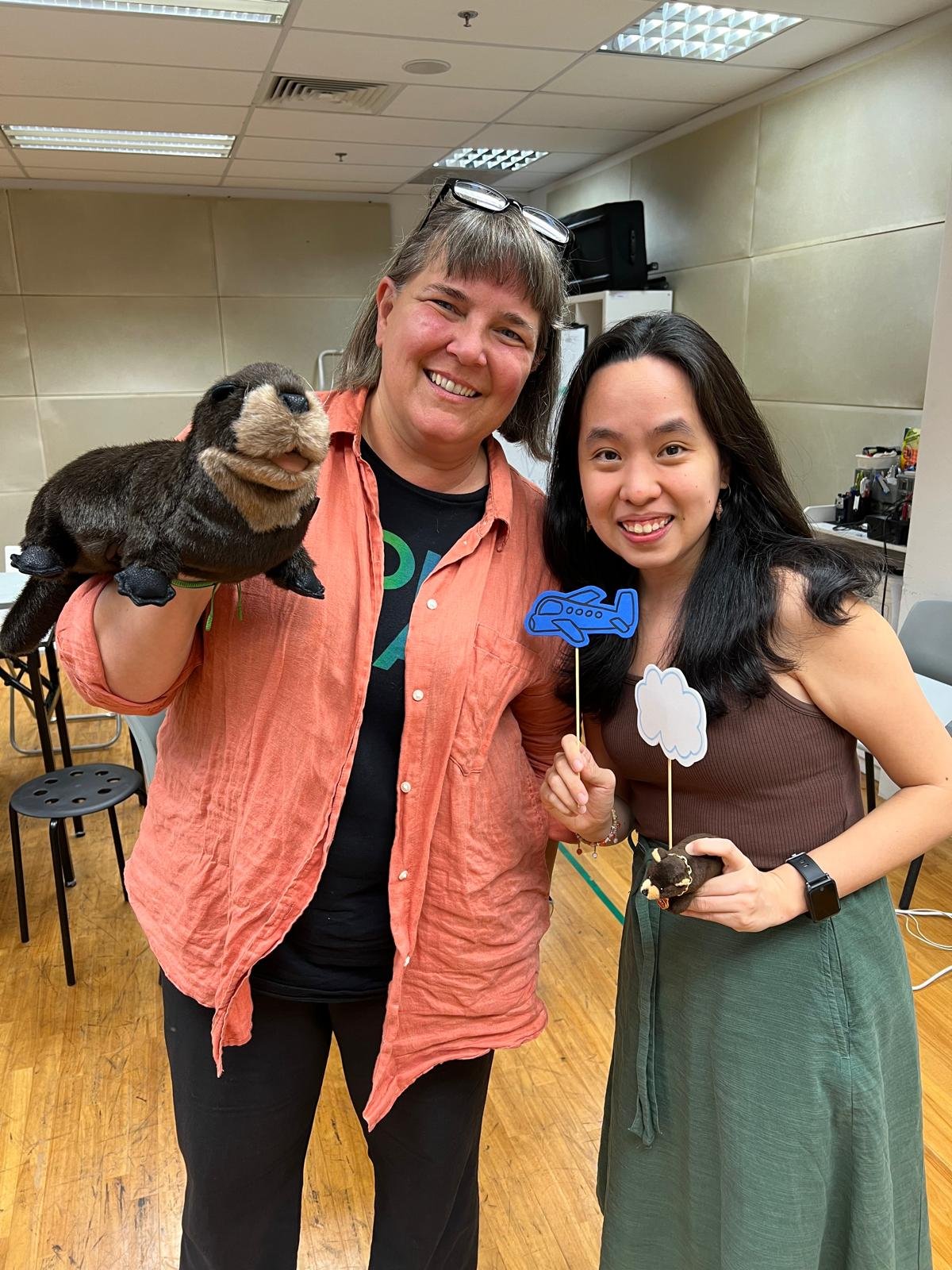
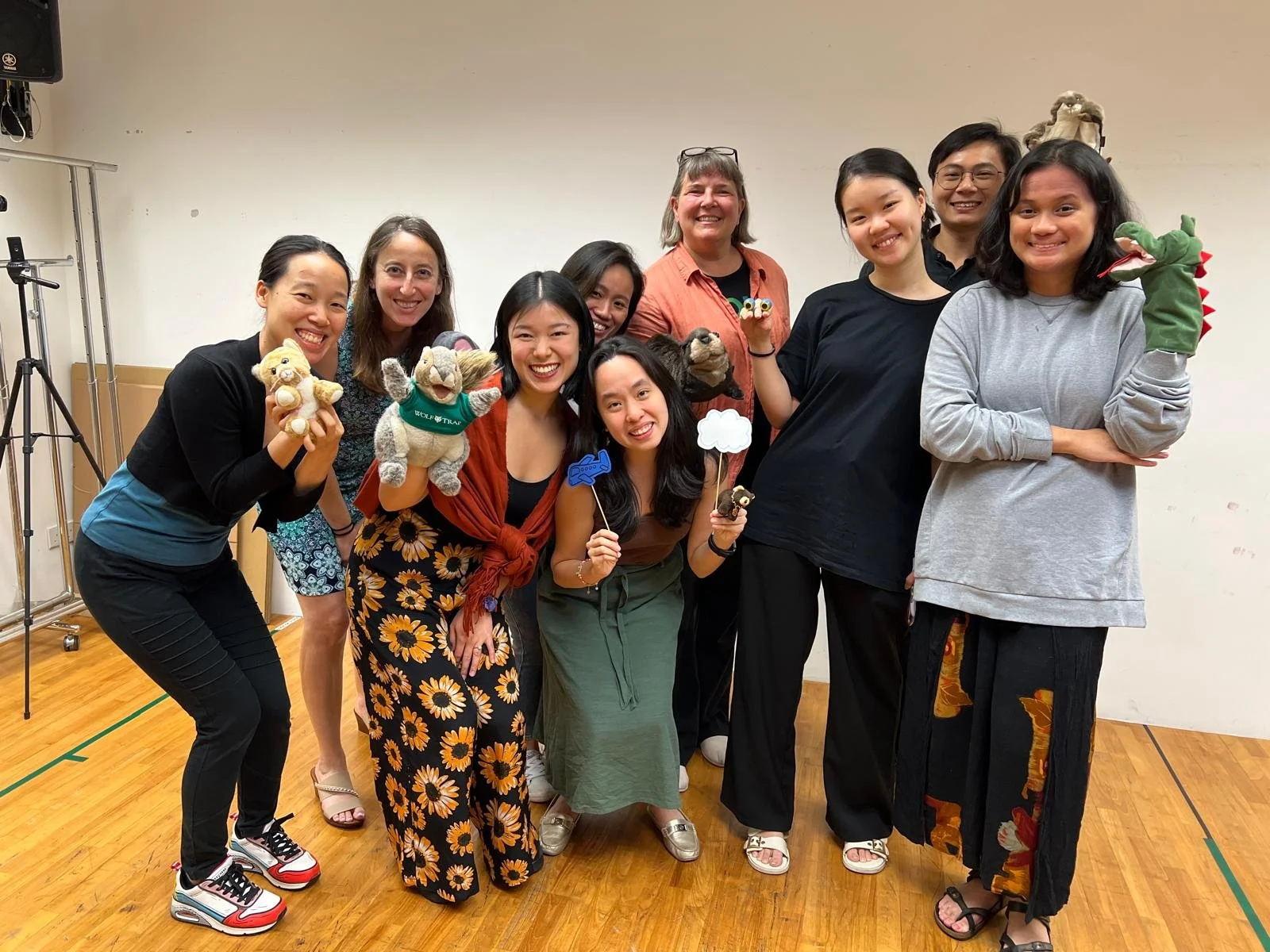
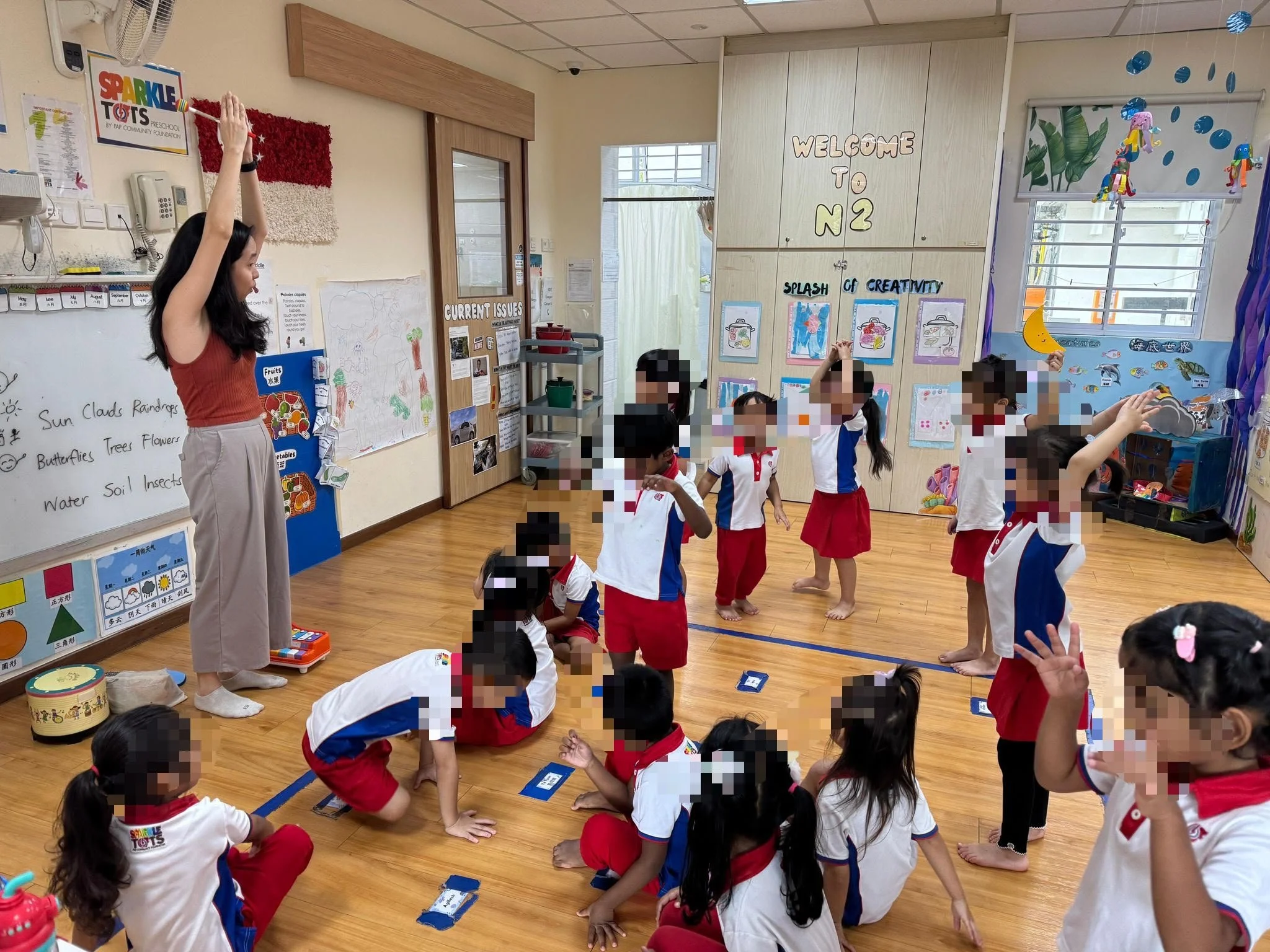
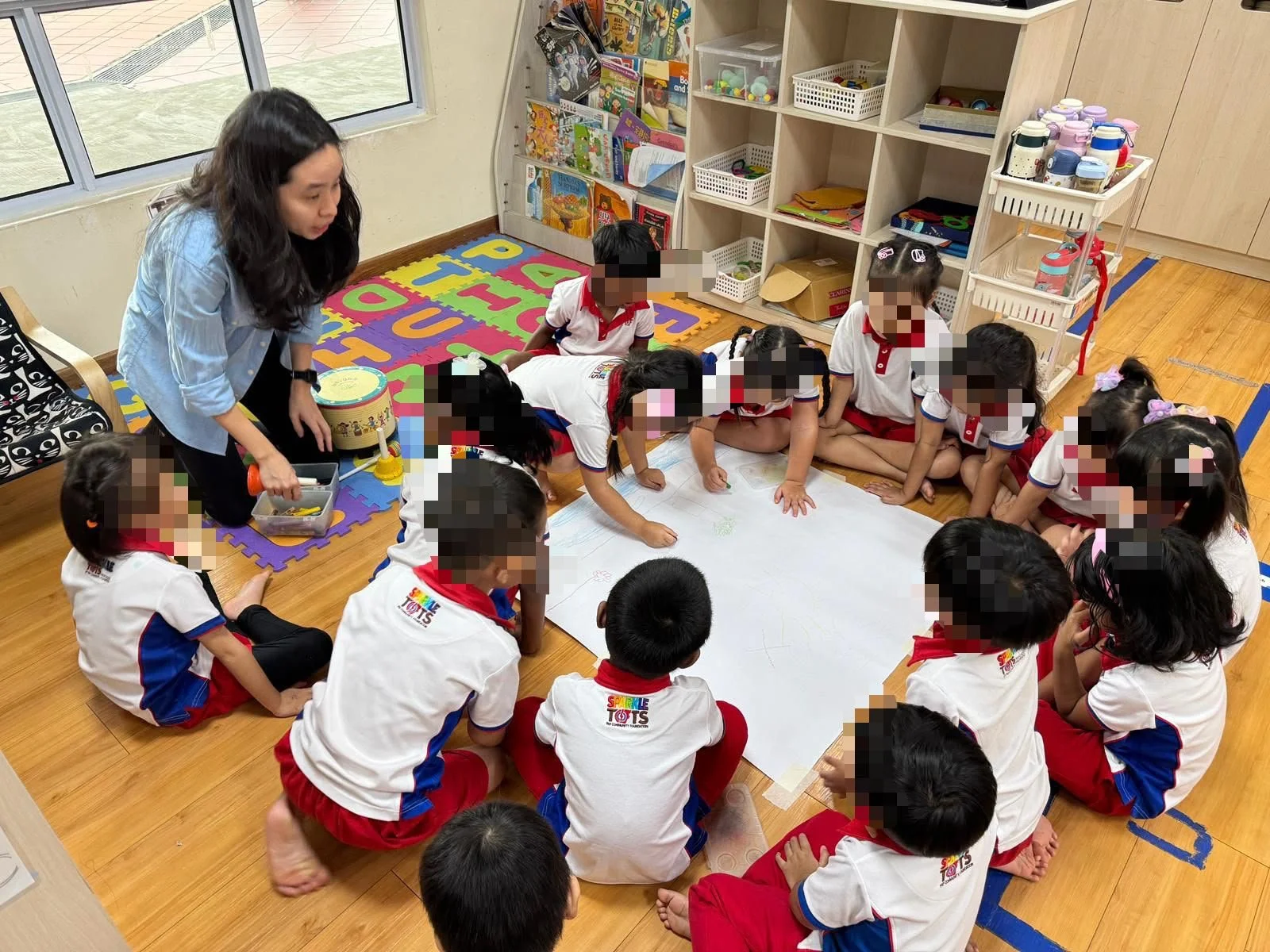
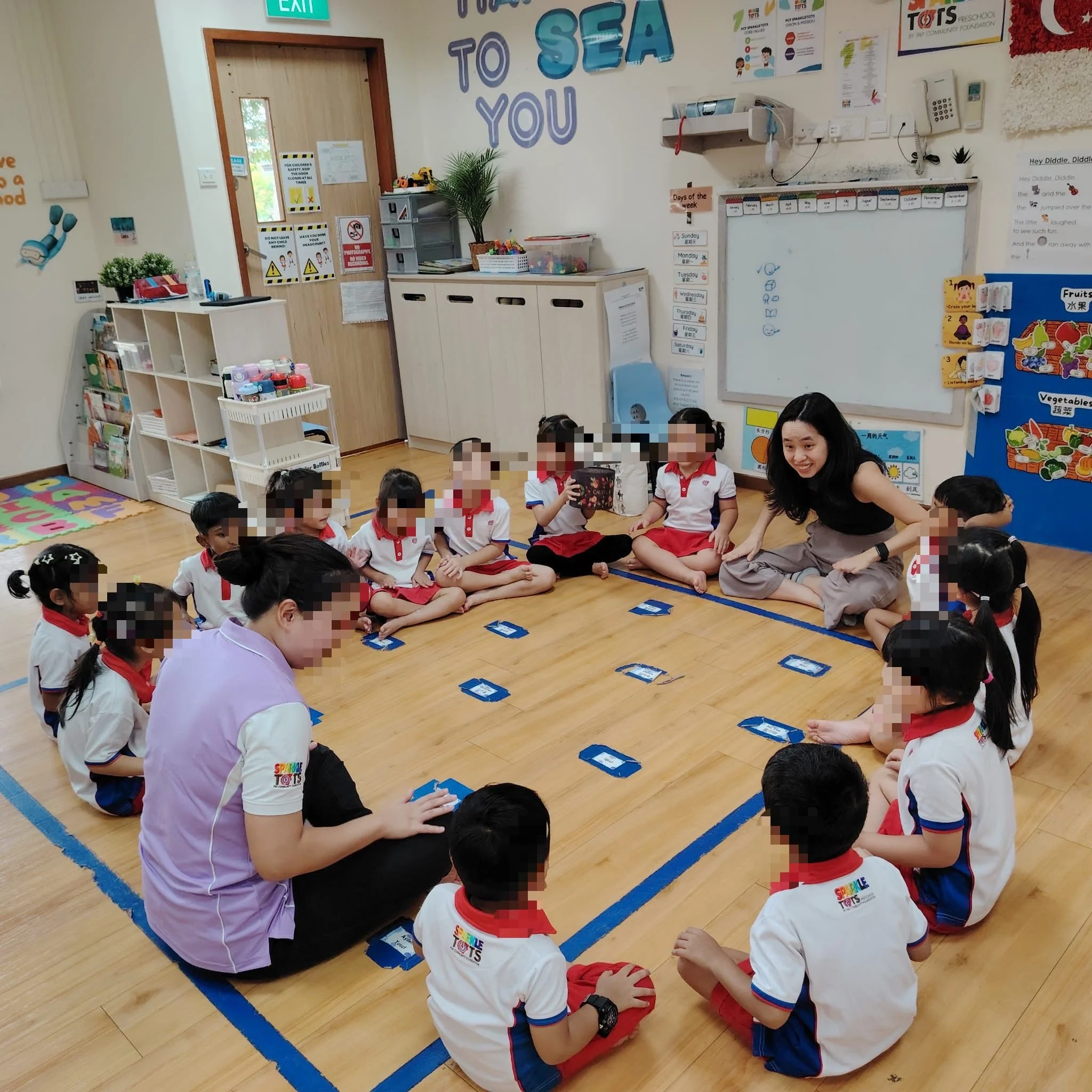
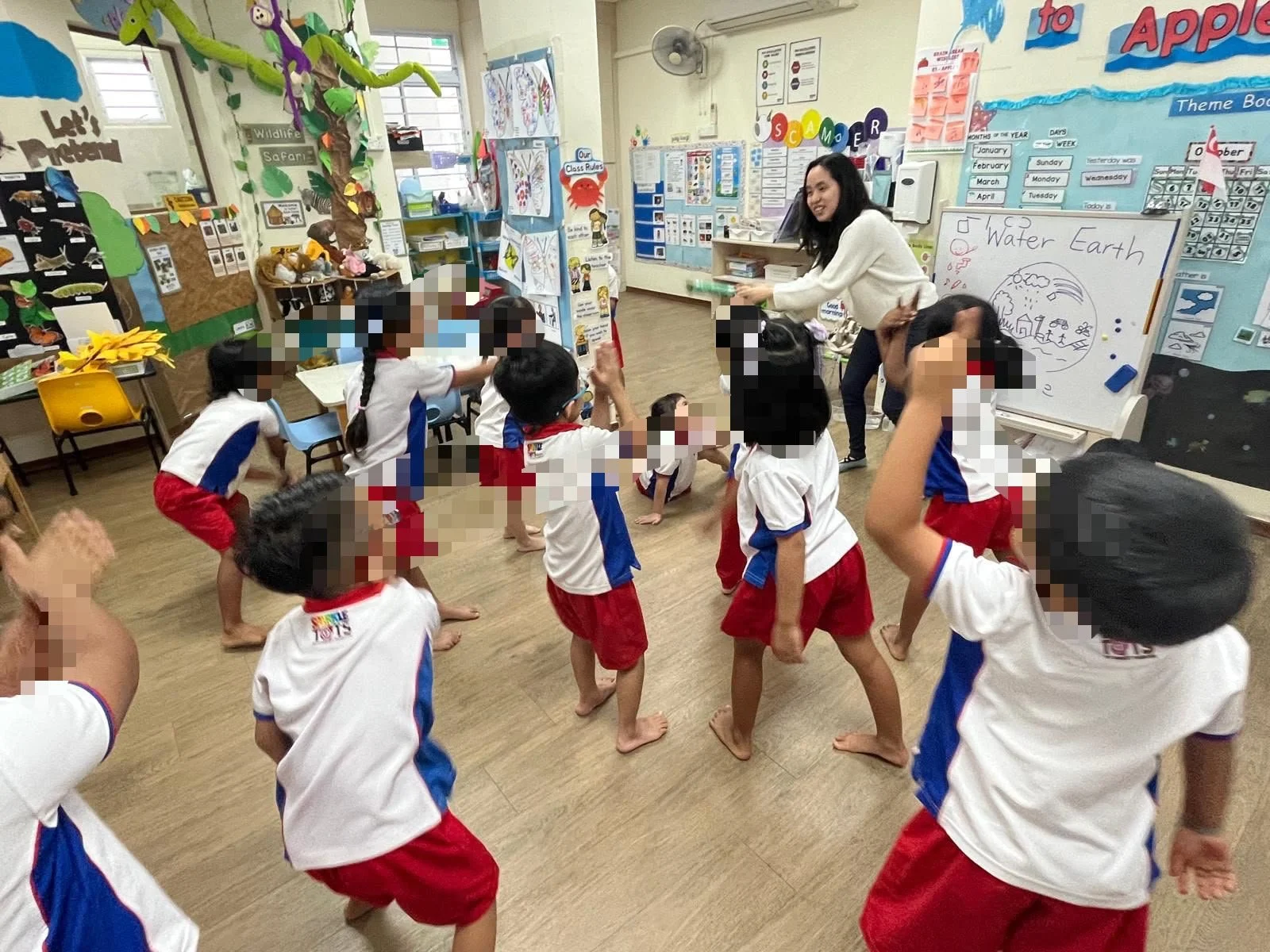
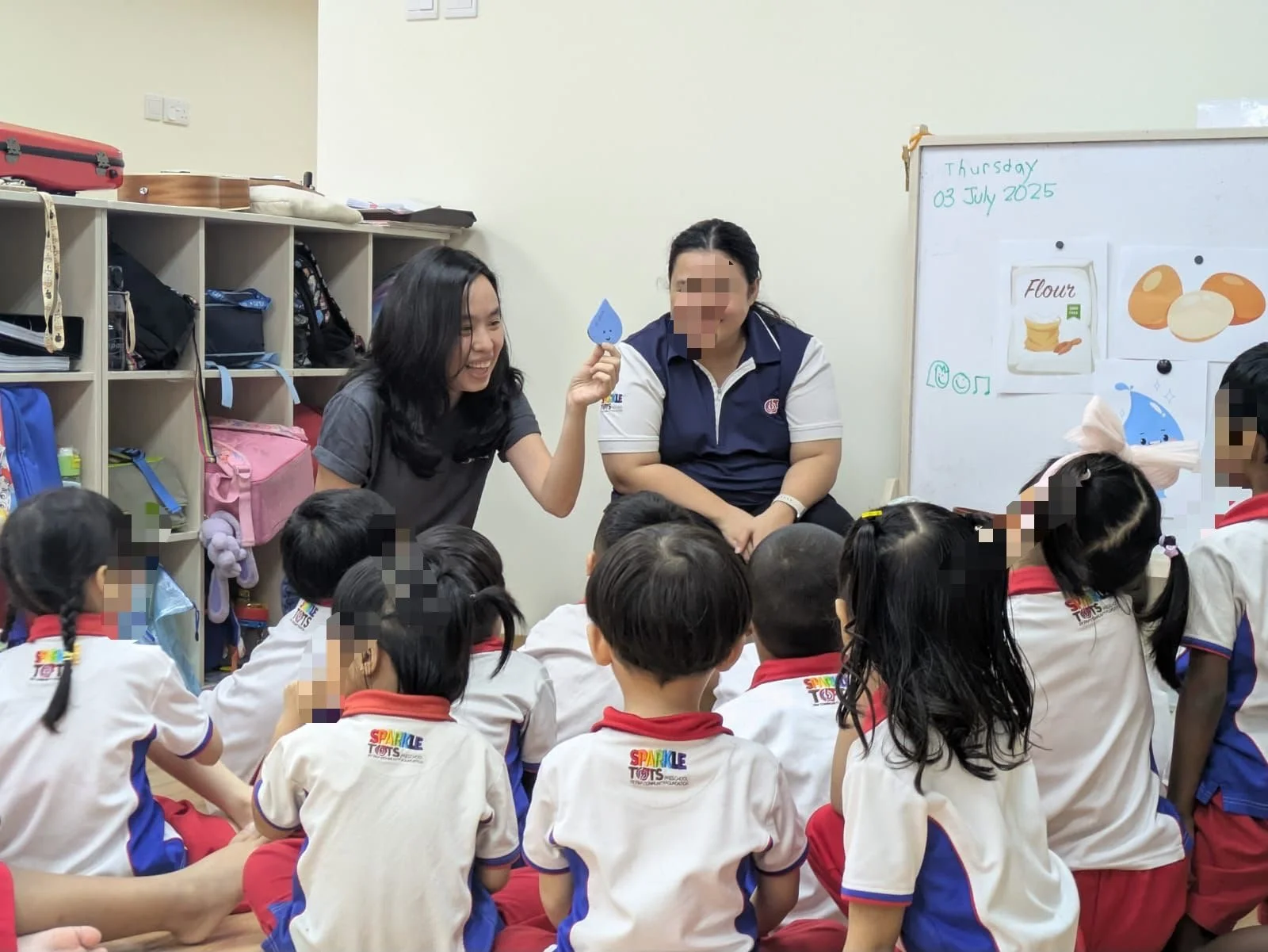
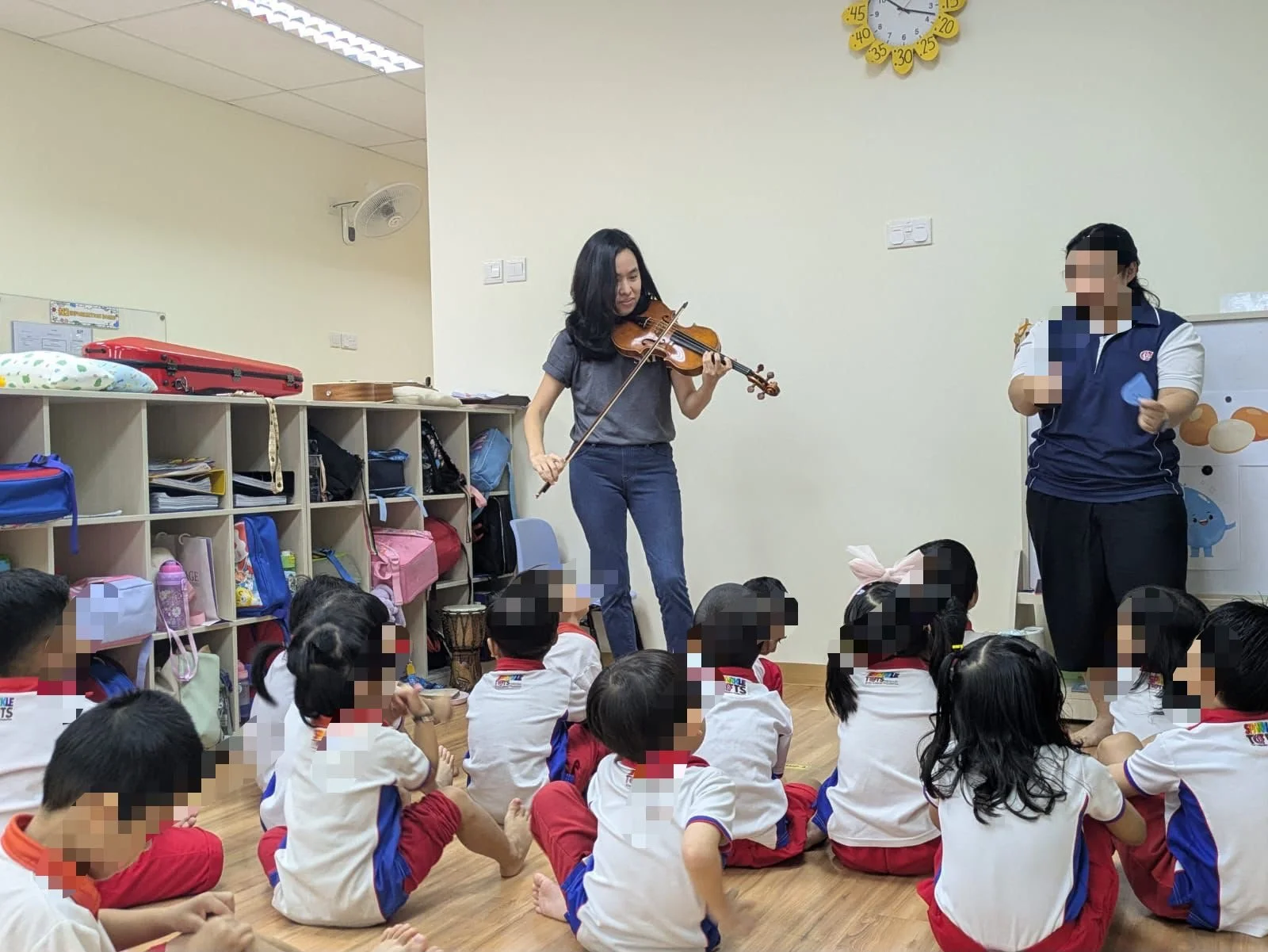
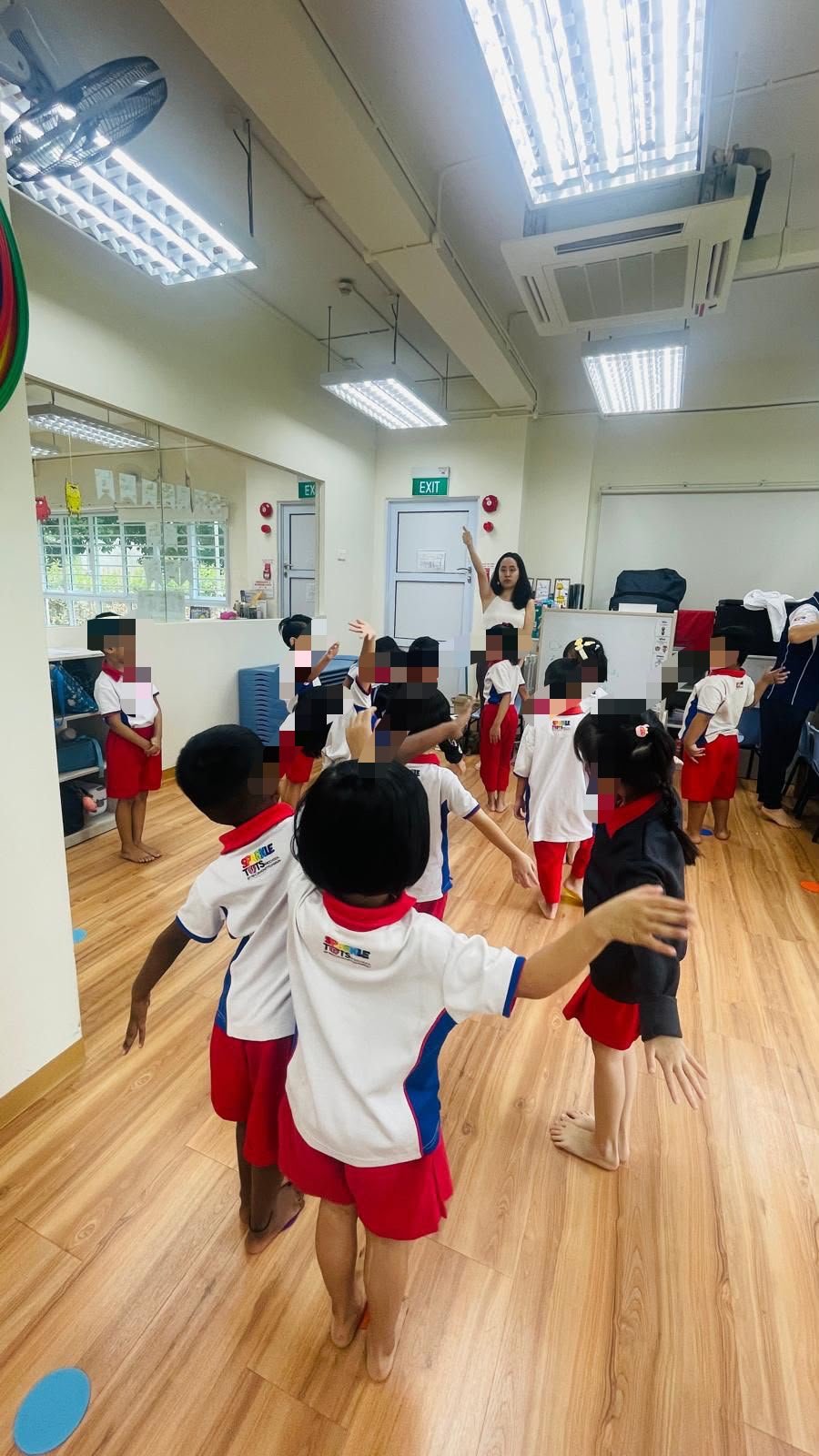
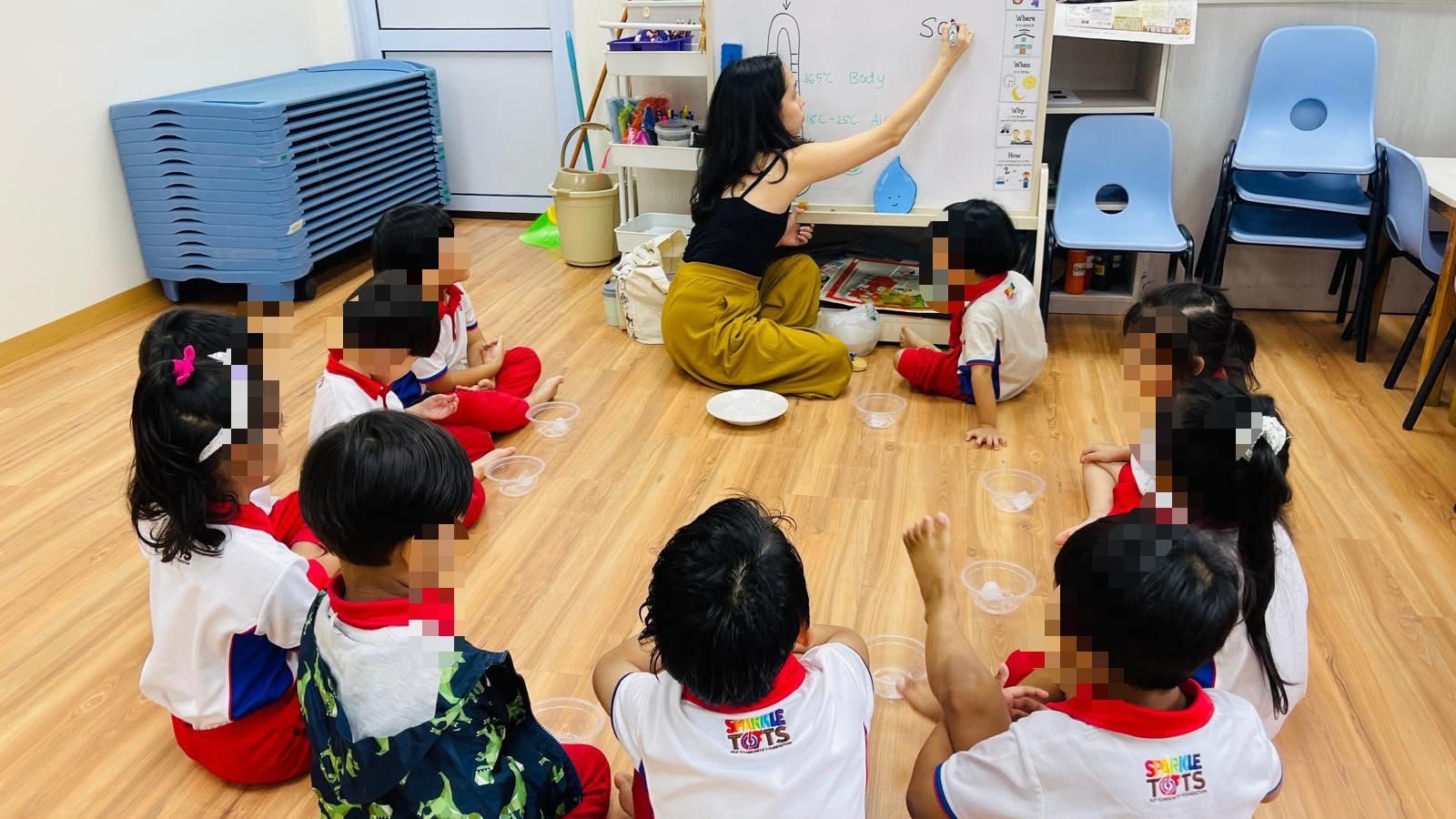
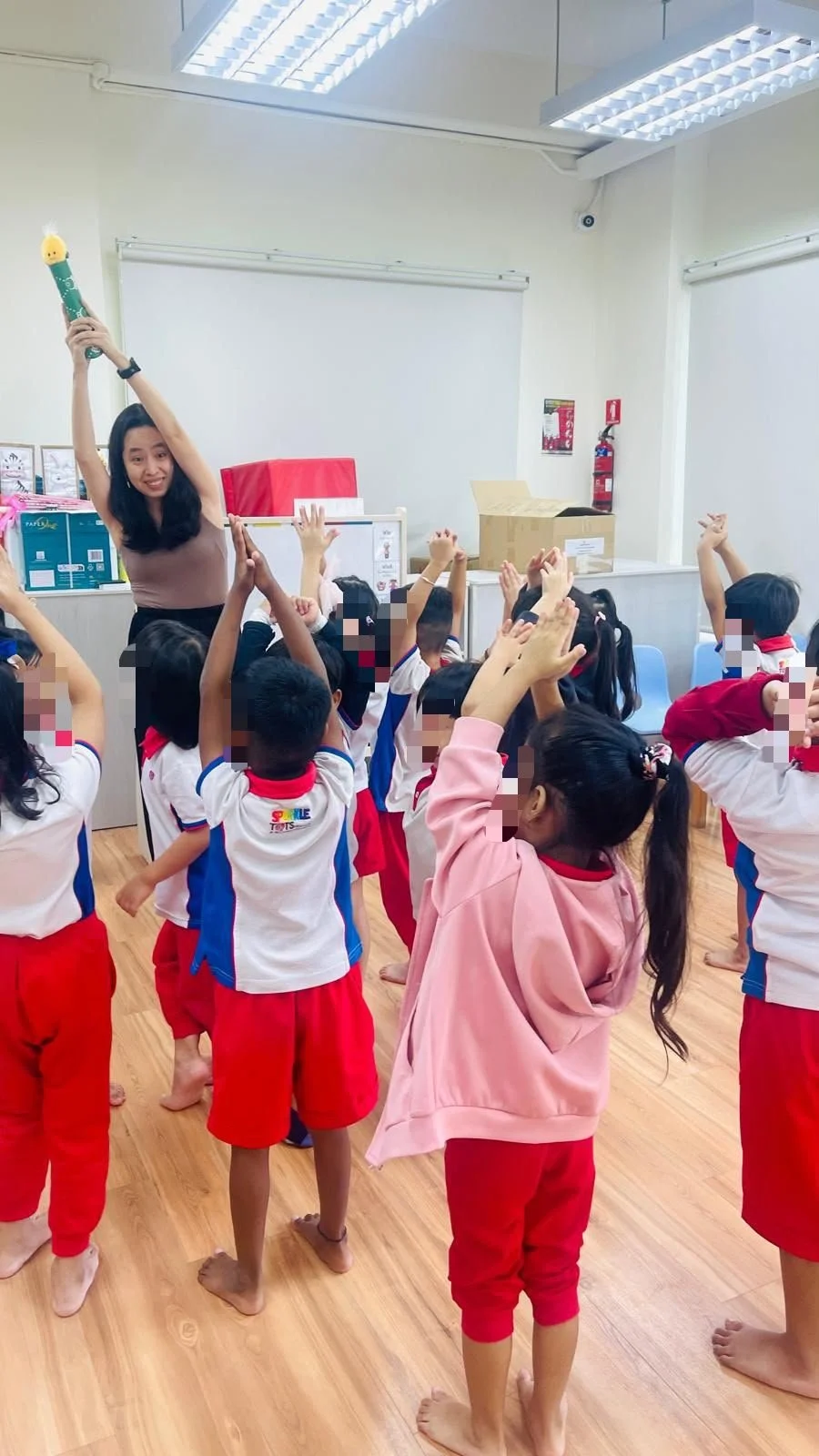
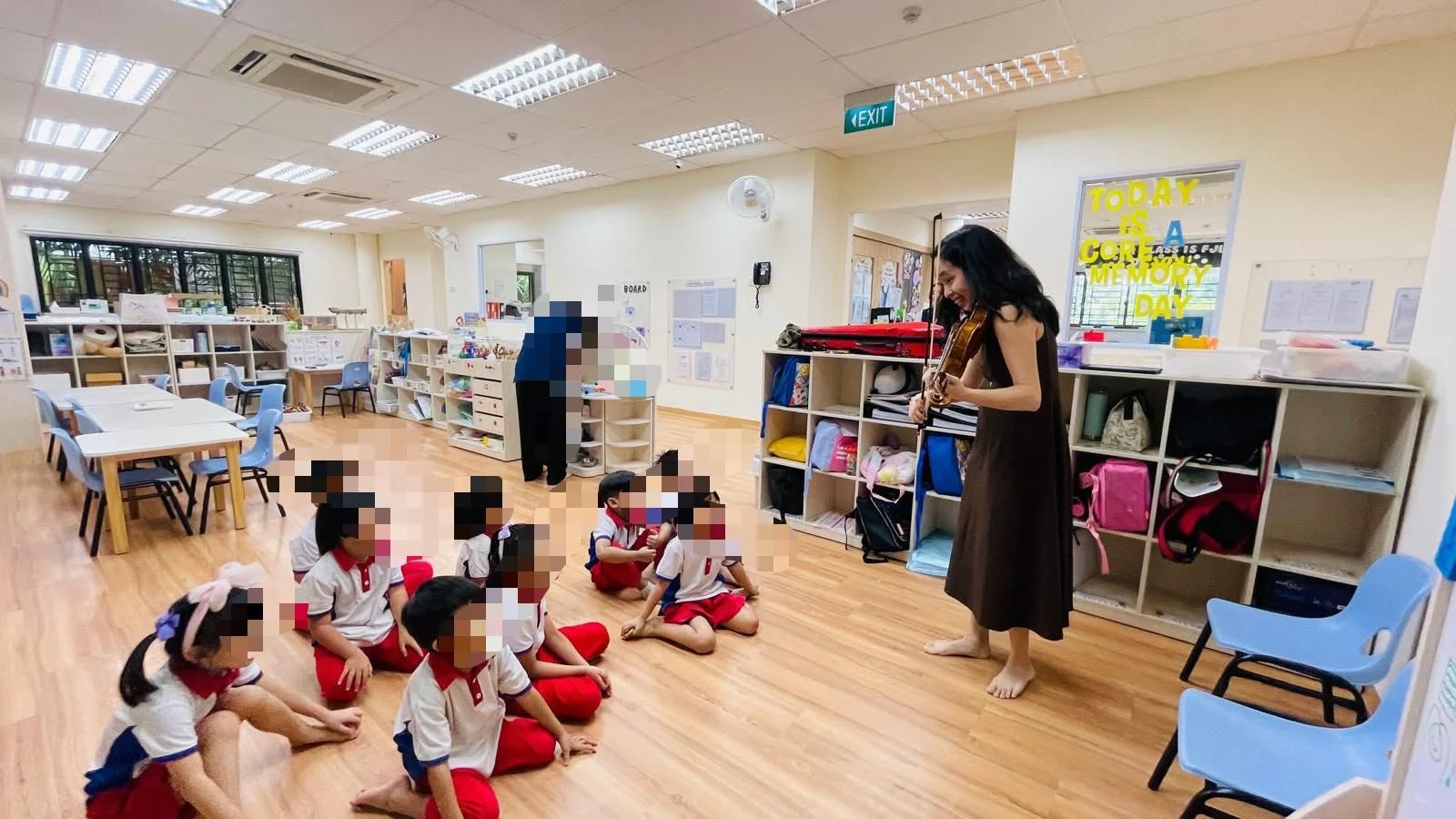
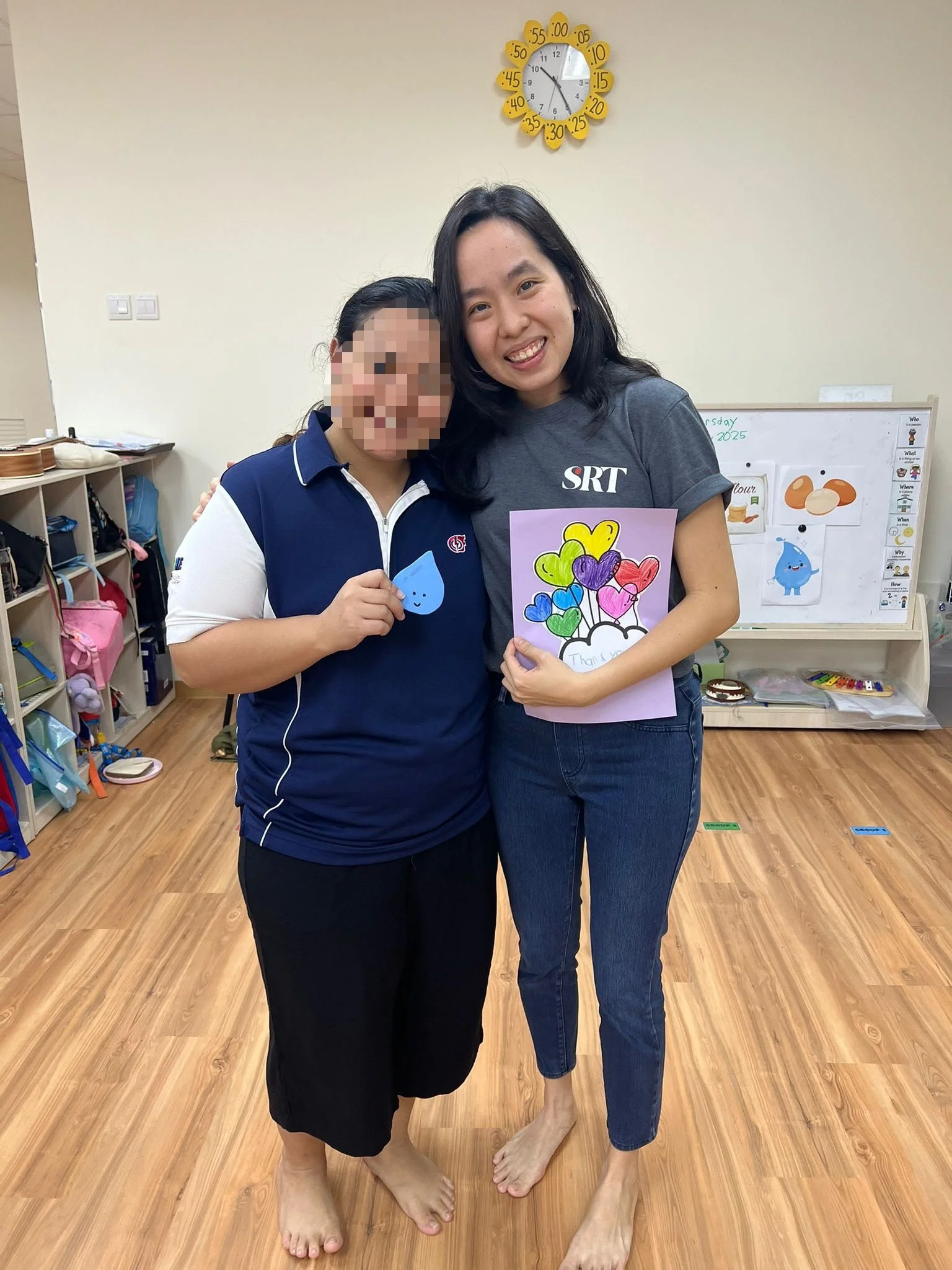
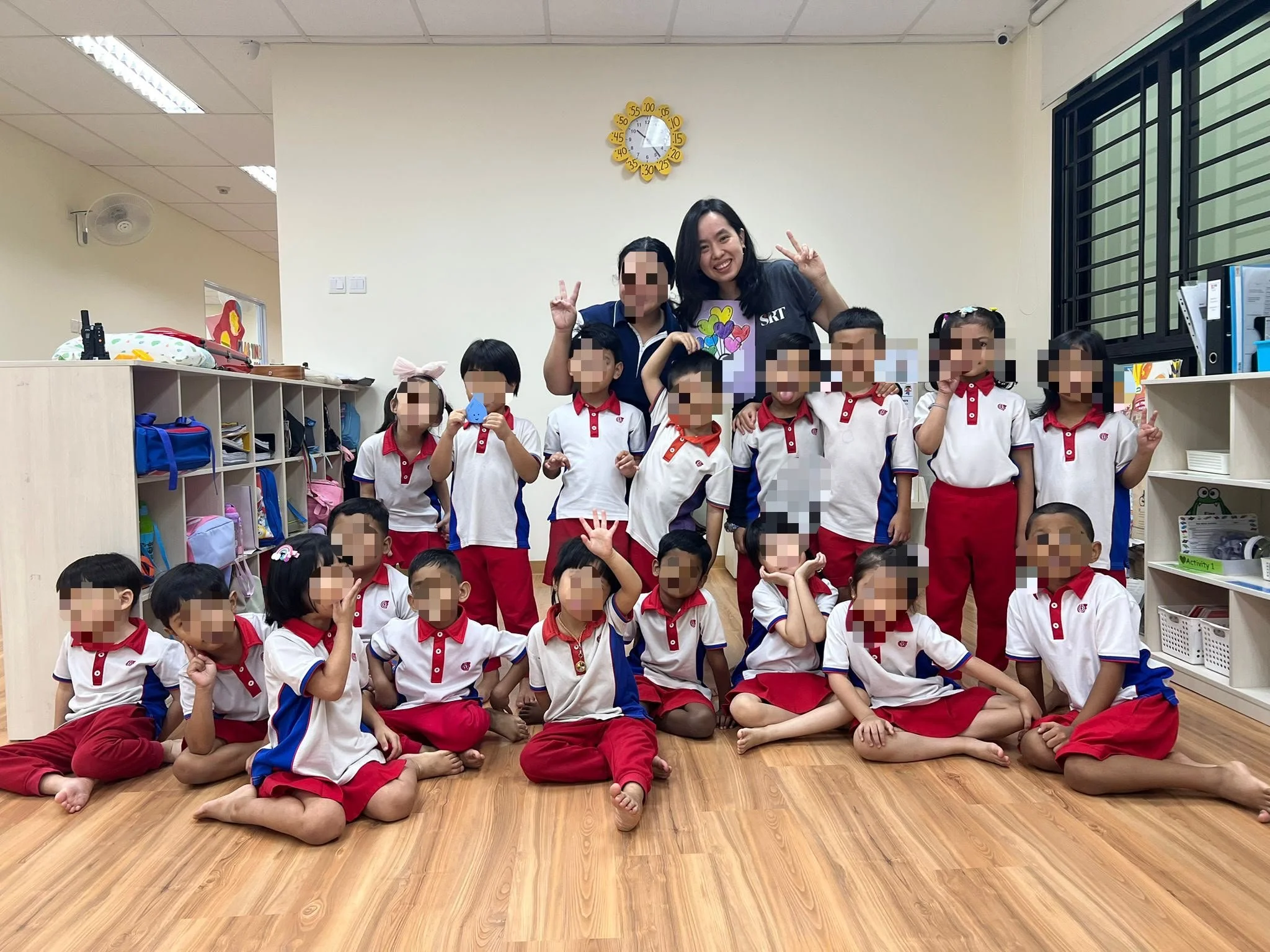
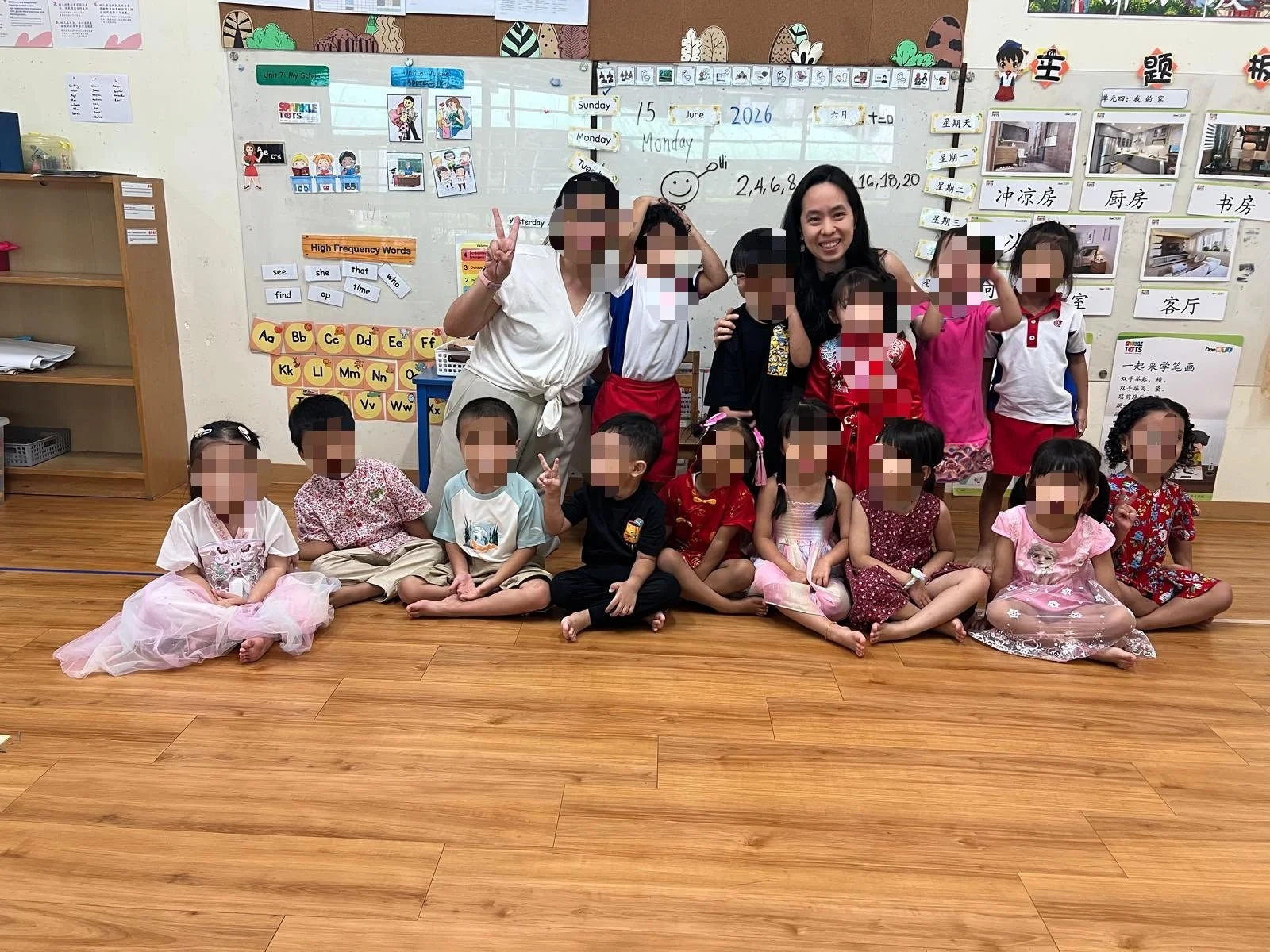
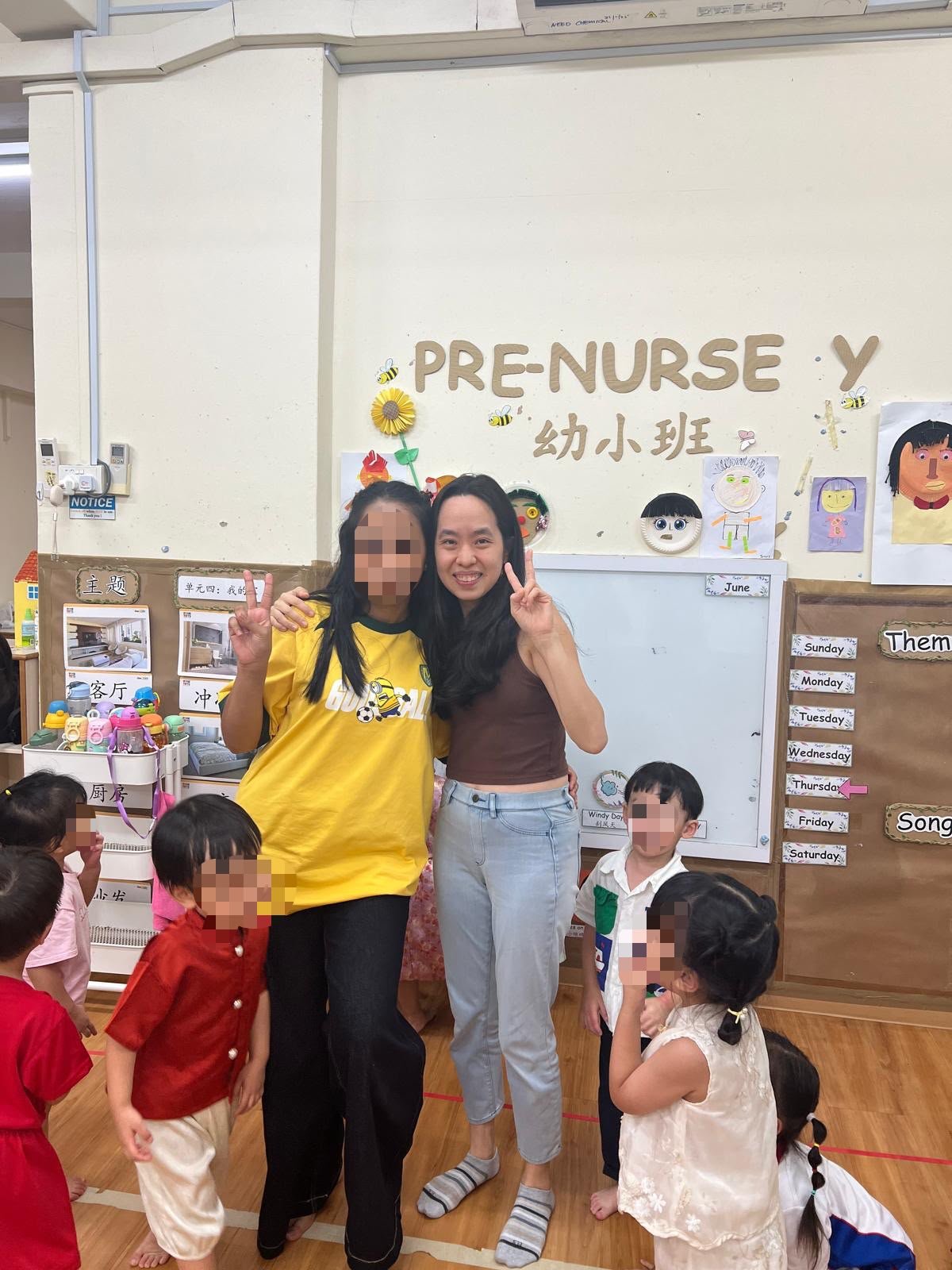
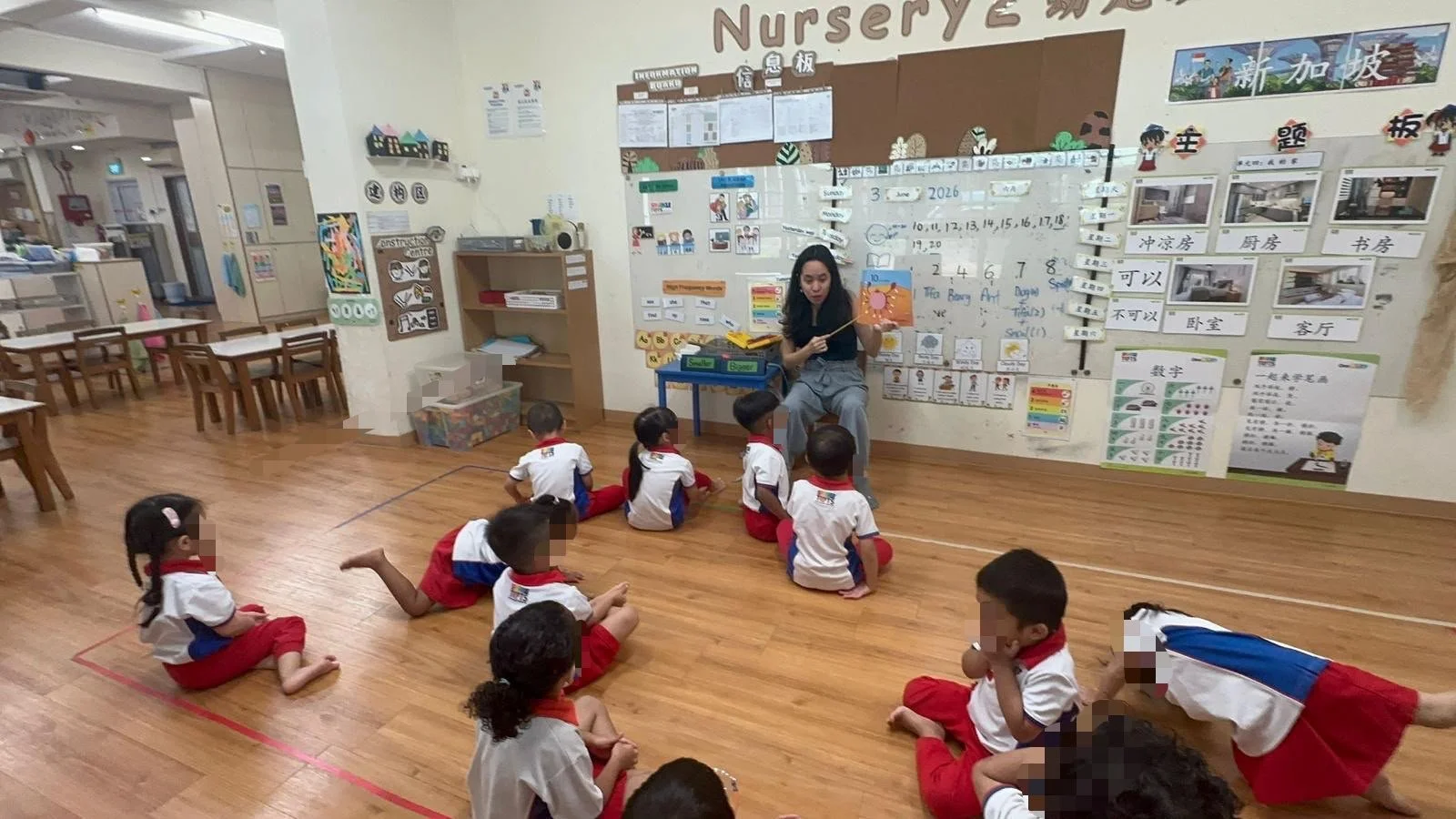
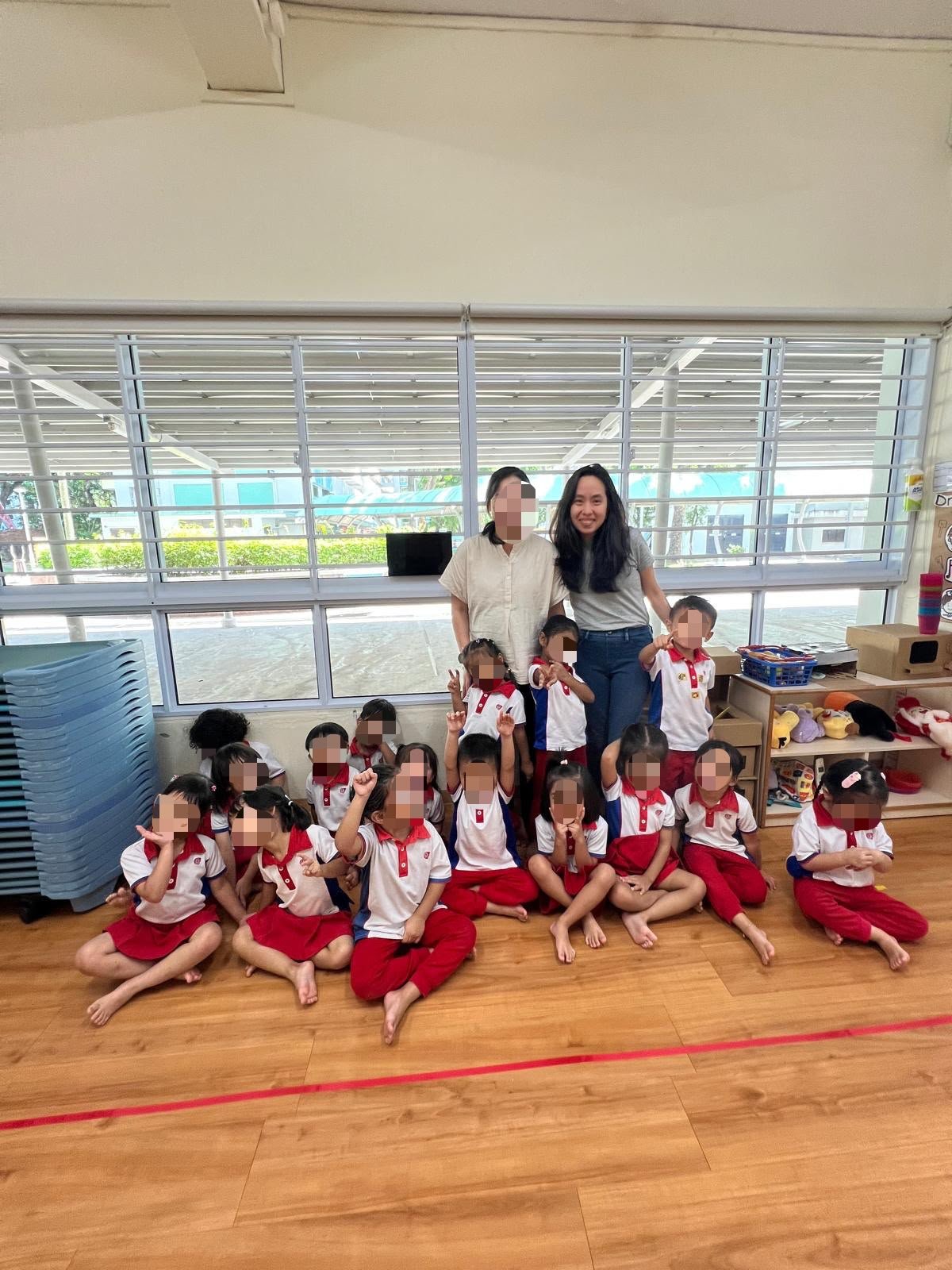
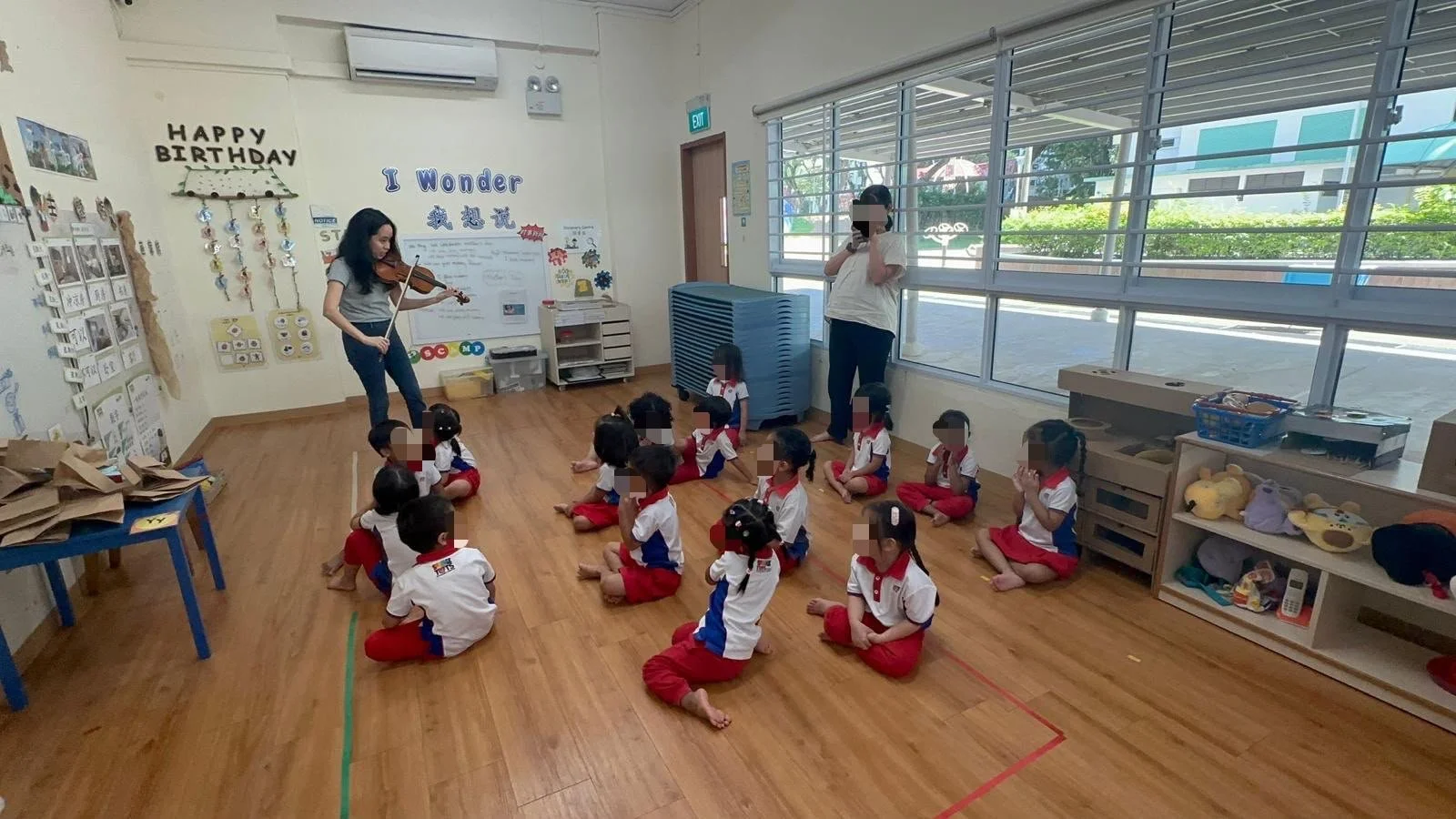
Christina is a certified Wolf Trap Teaching Artist with the Singapore Repertory Theatre (SRT). She helps preschool teachers and children learn through the performing arts—using music, movement, drama, storytelling and puppetry to make learning joyful and meaningful.
More Than Just Music and Movement
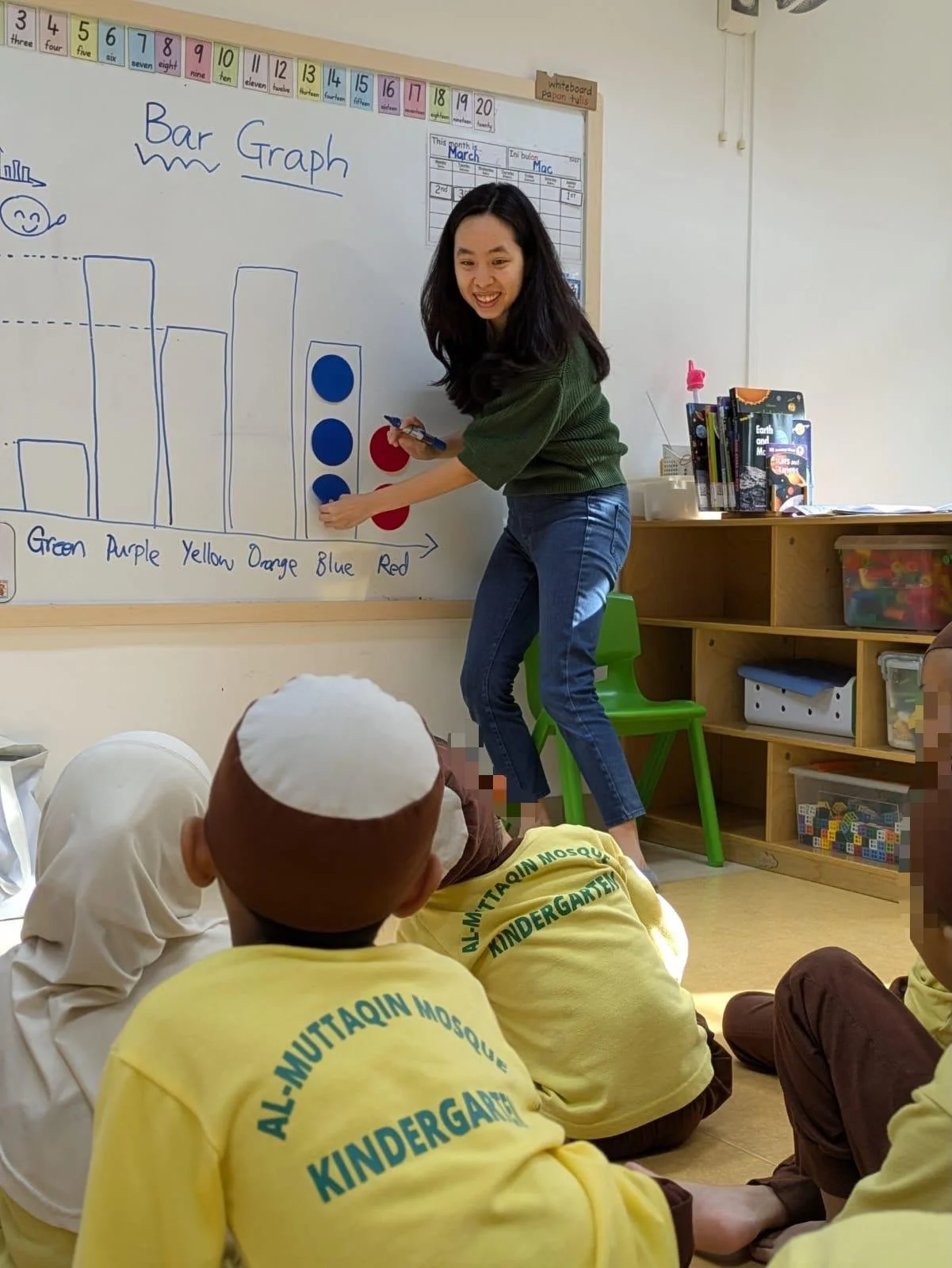
Her approach goes beyond performance. Christina uses arts integration, a proven teaching method where the arts and academic subjects—like math, literacy, and science—work hand in hand. This helps children understand concepts deeply while developing creativity, confidence, and communication skills.
Supporting Teachers and Classrooms
Christina partners with educators to design lessons that meet the MOE NEL Framework goals, including:
Numeracy
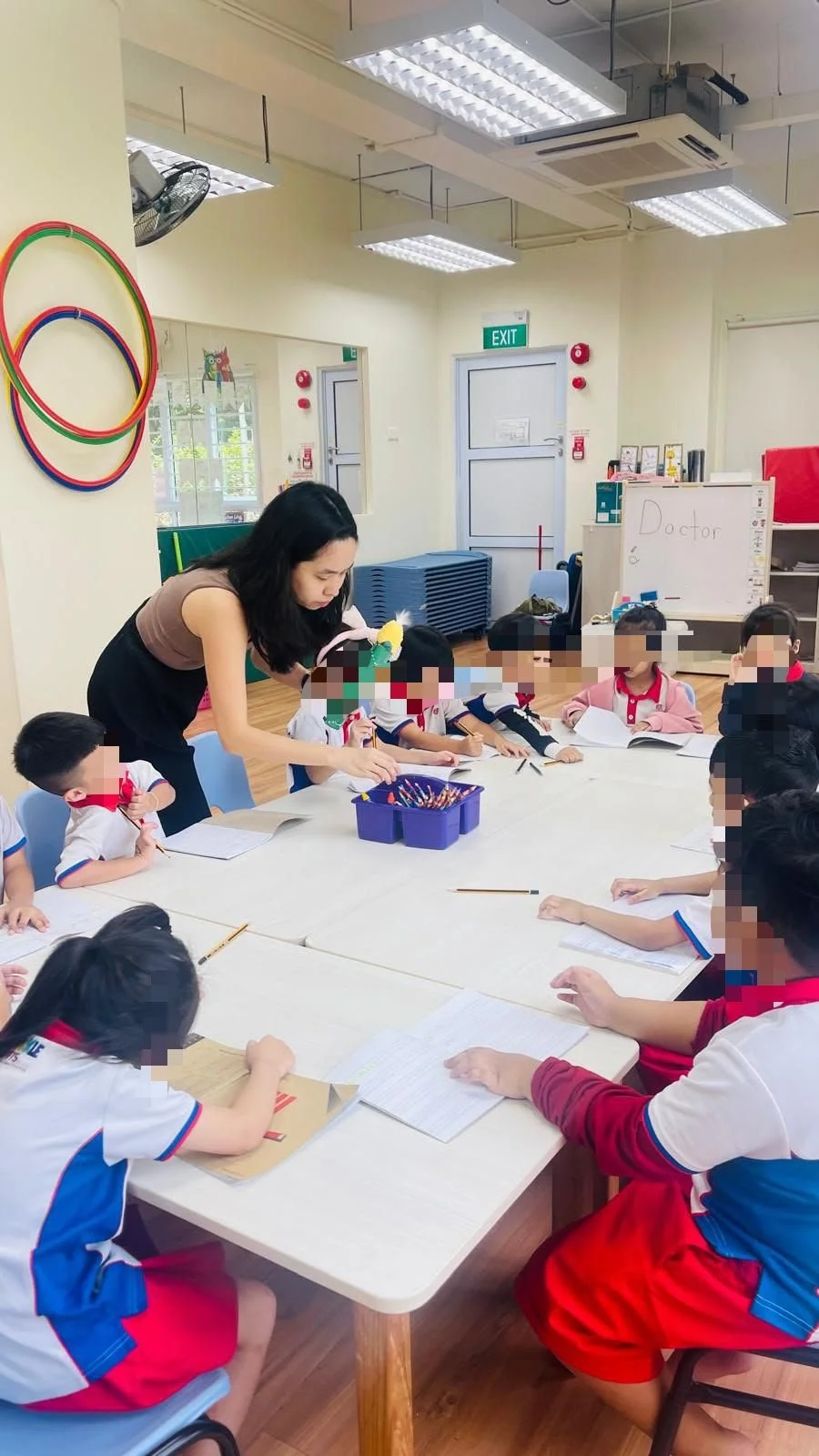
Language and Literacy
Discovery of the World
Social-Emotional Competencies
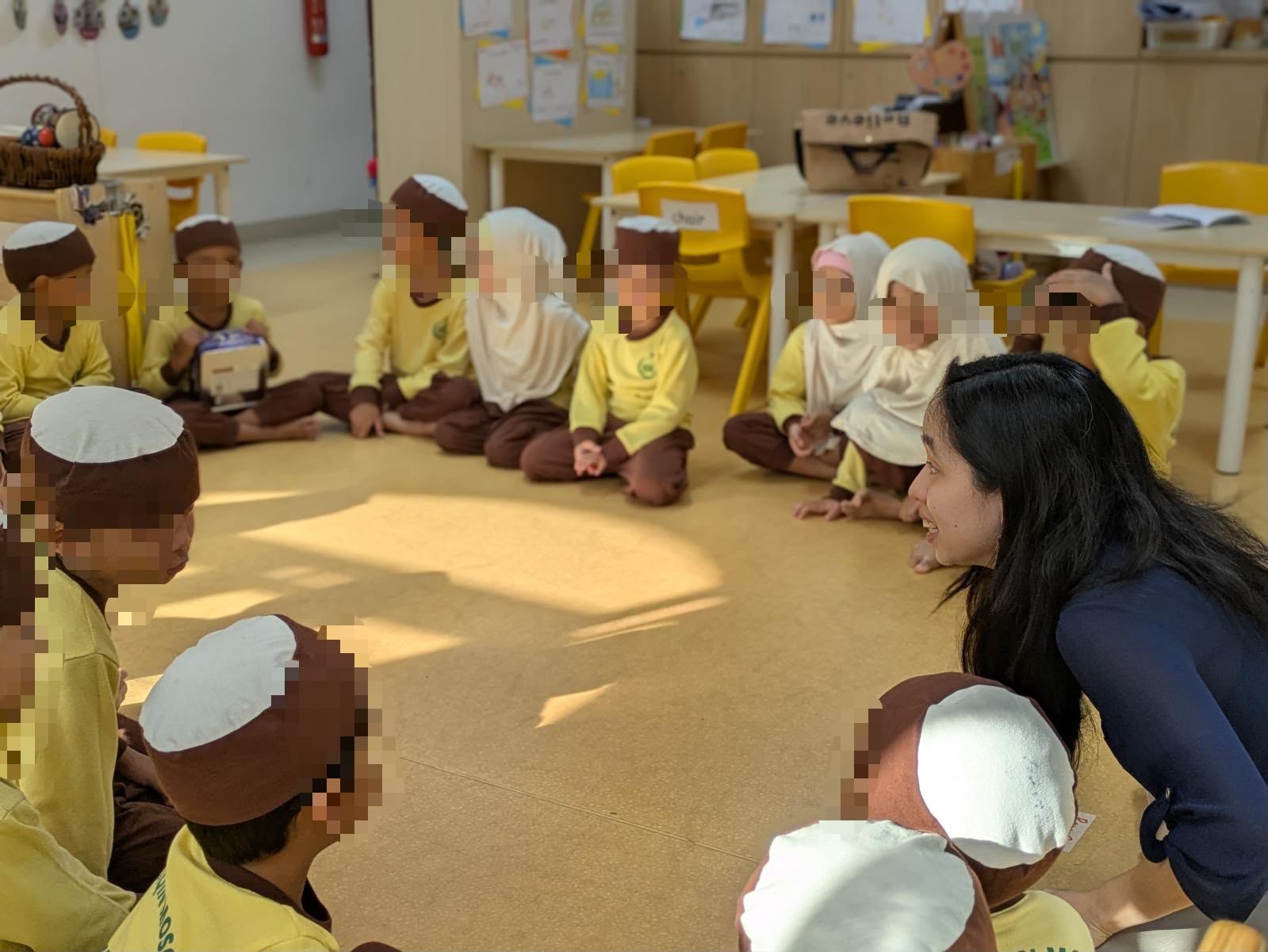
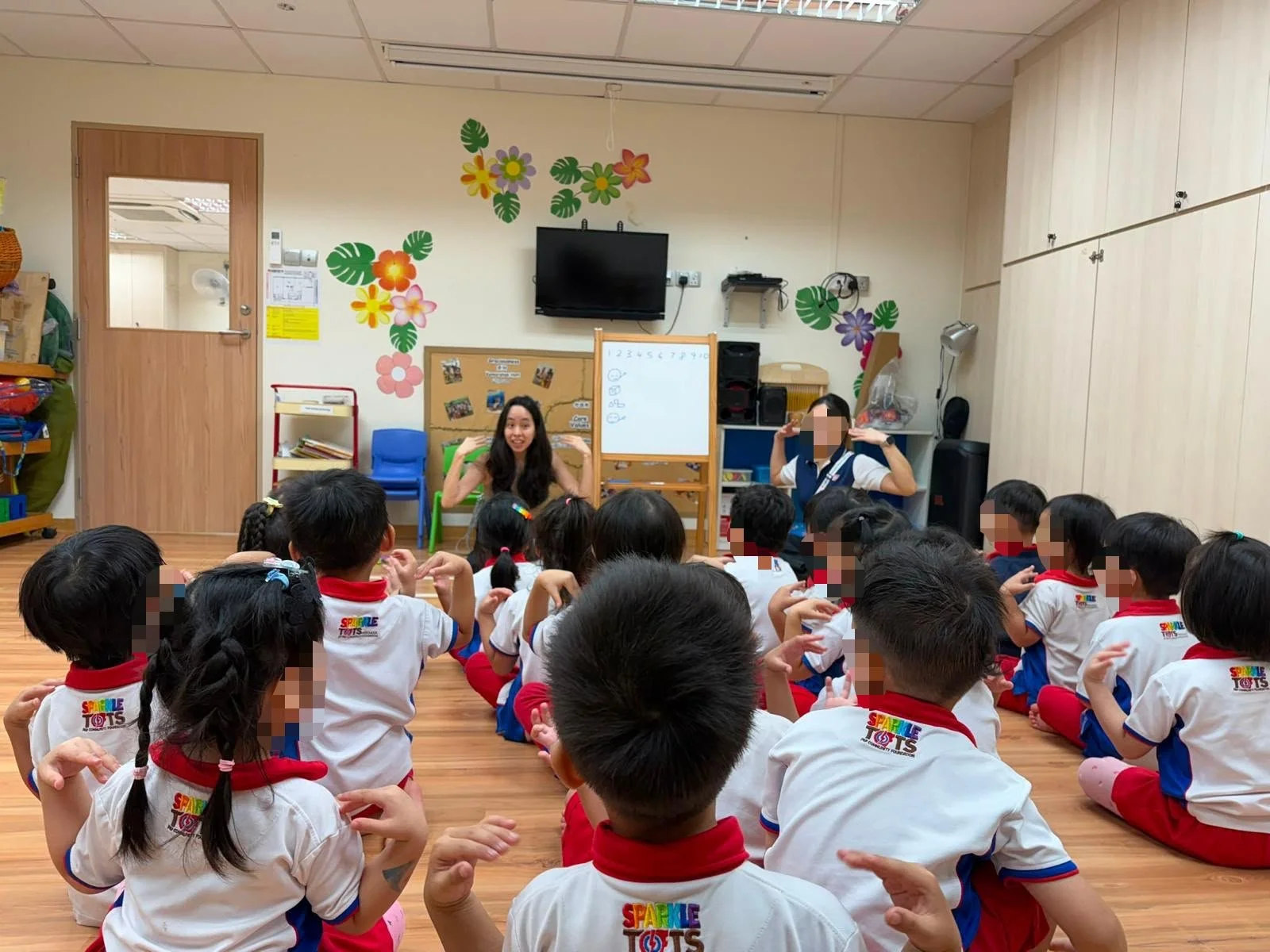
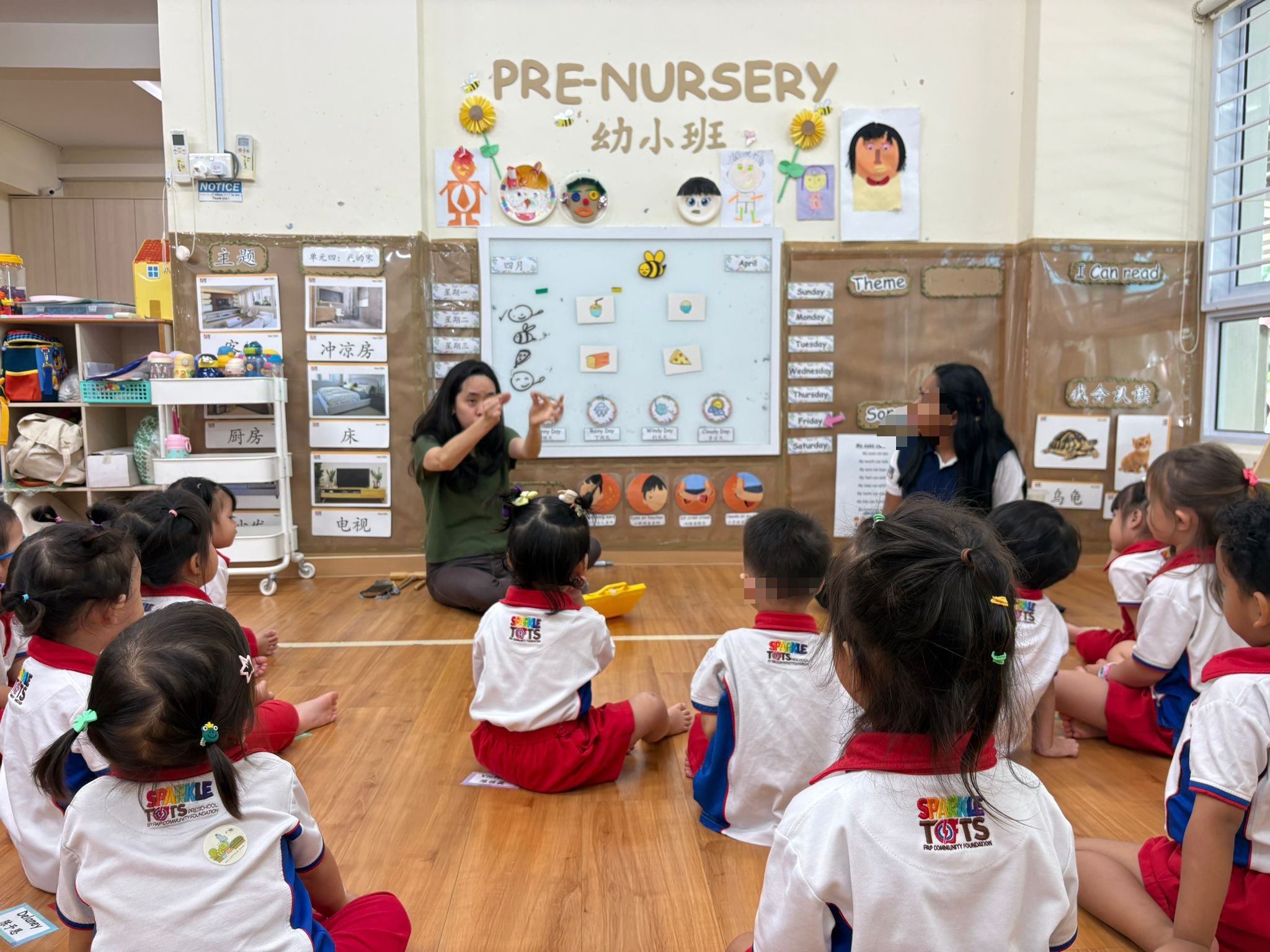
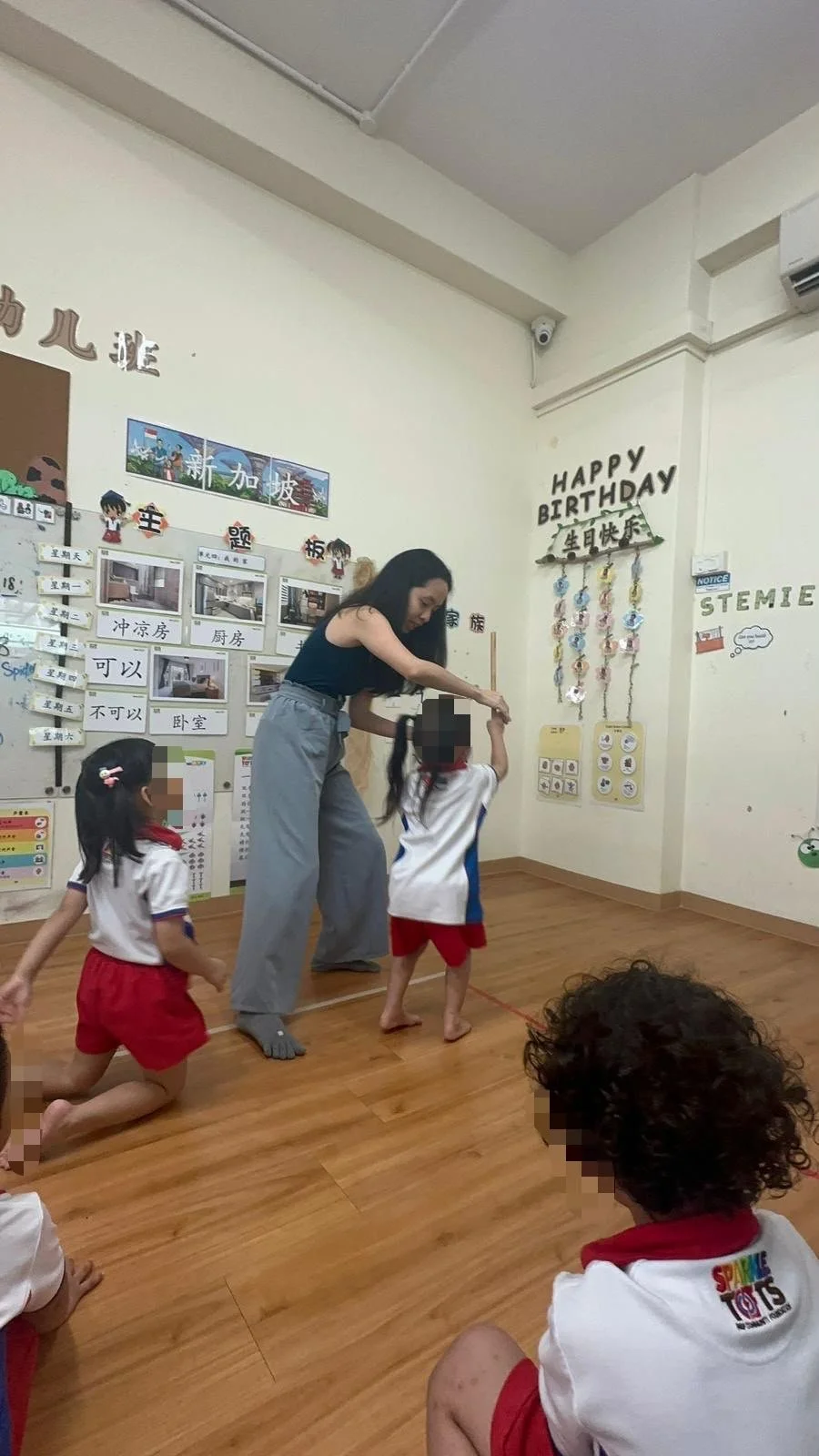
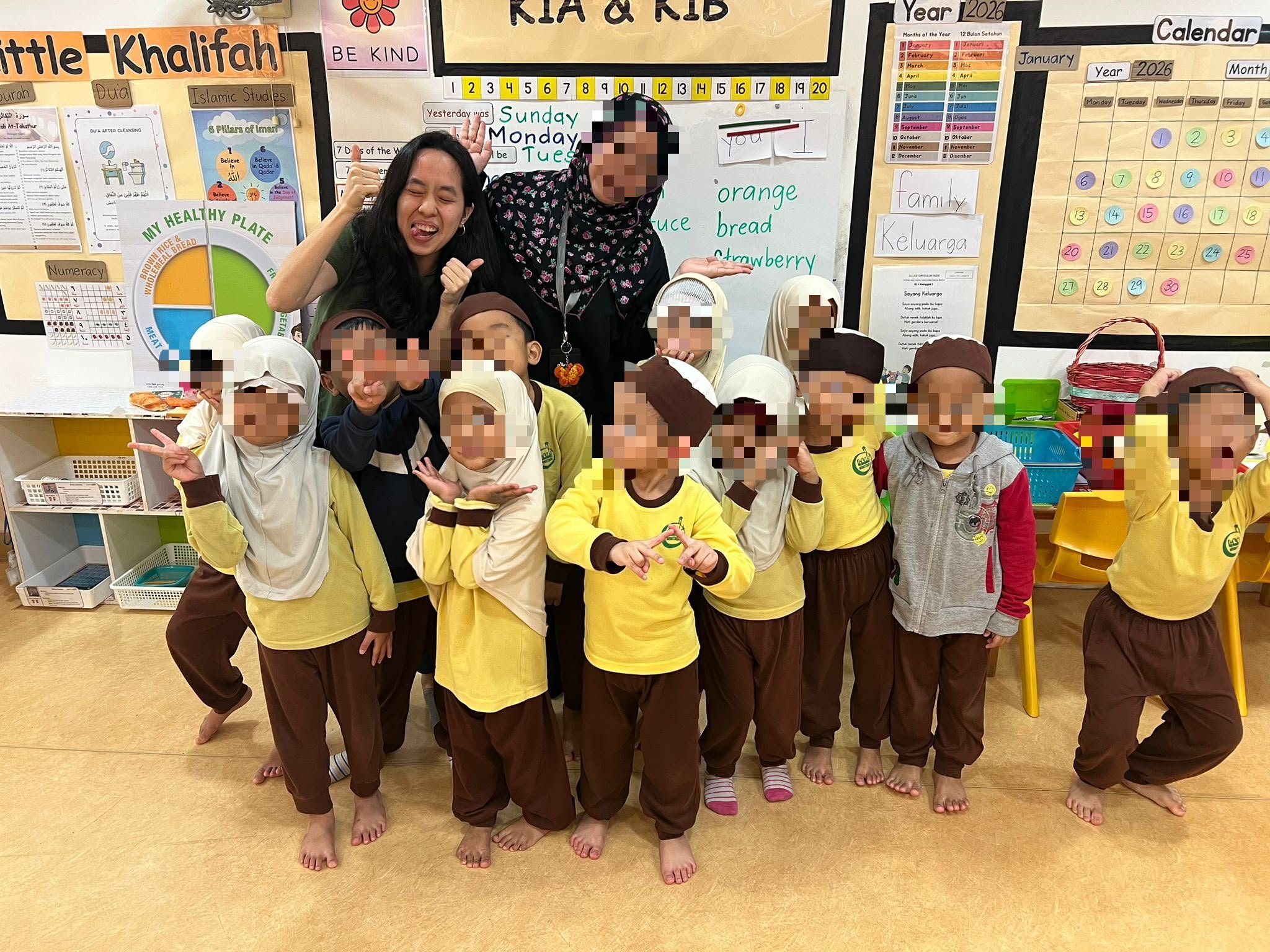
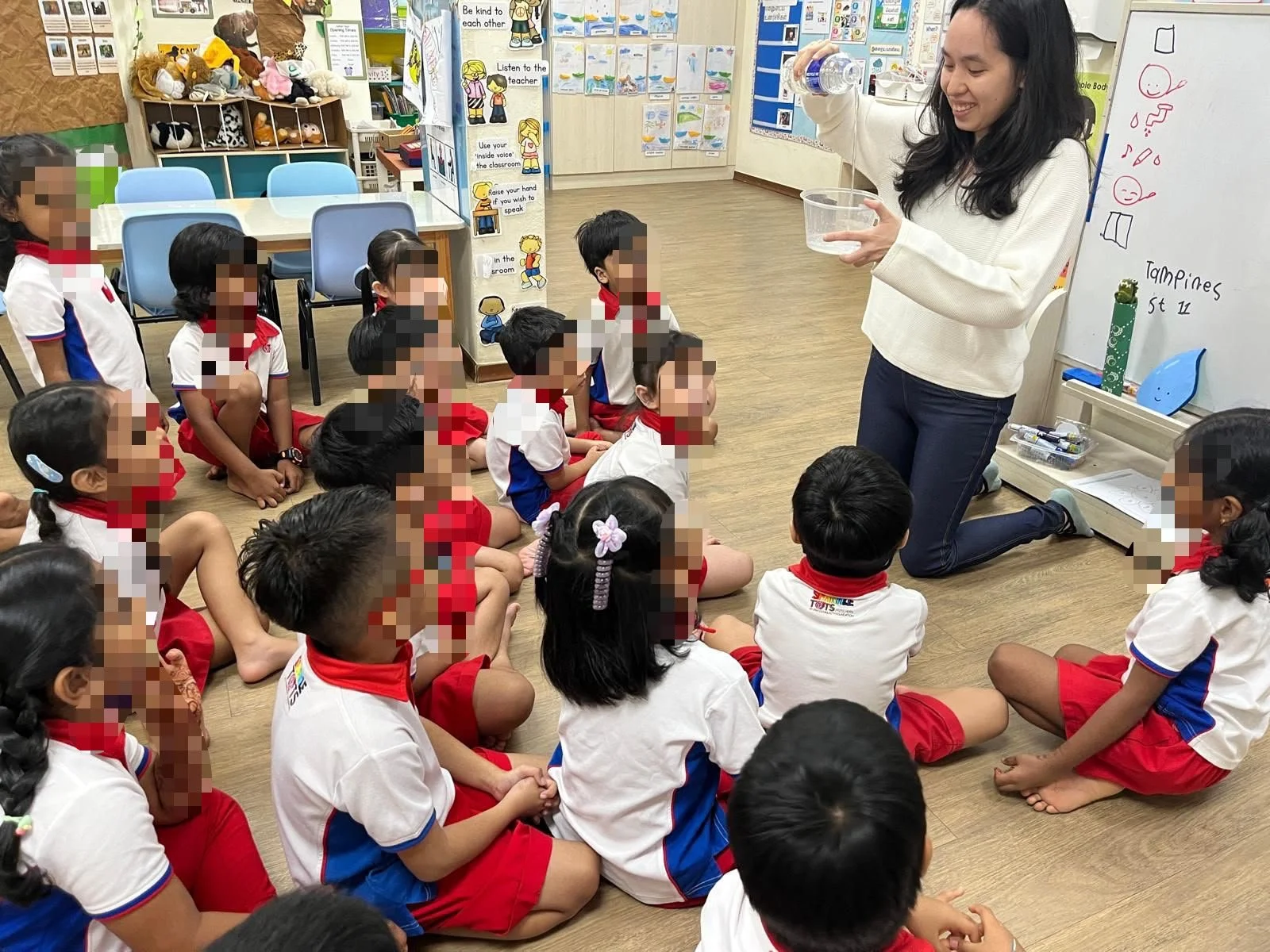
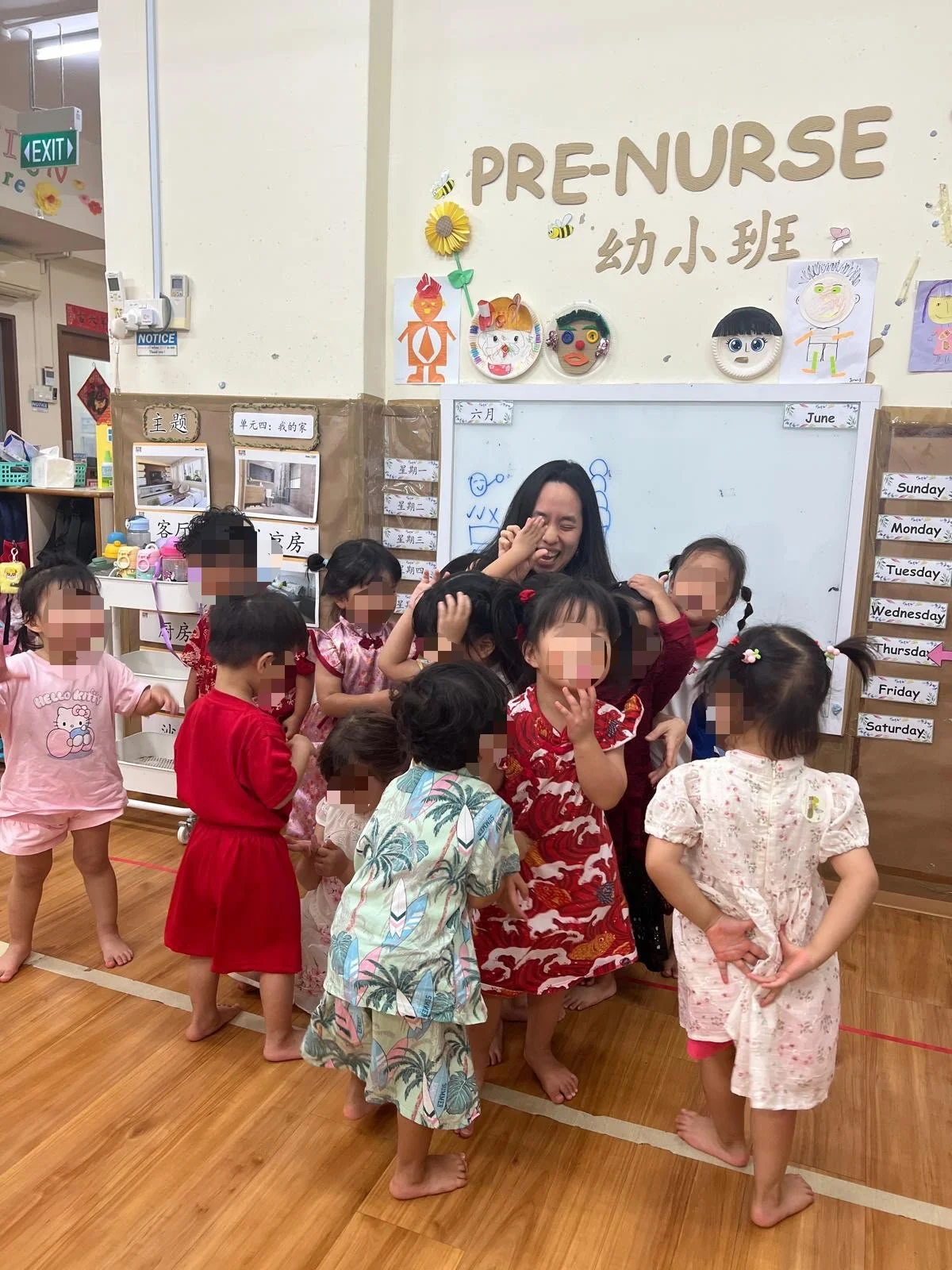
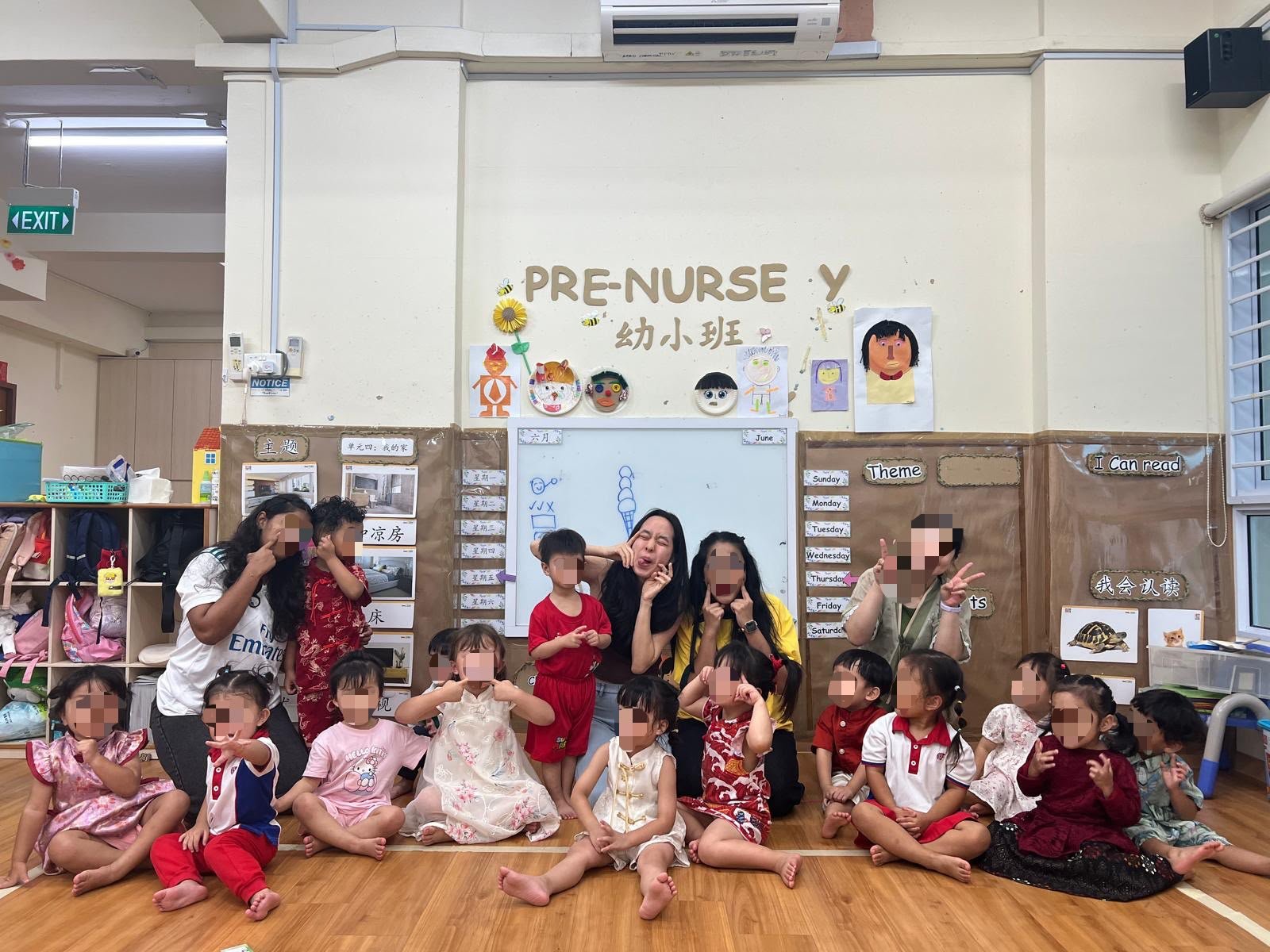
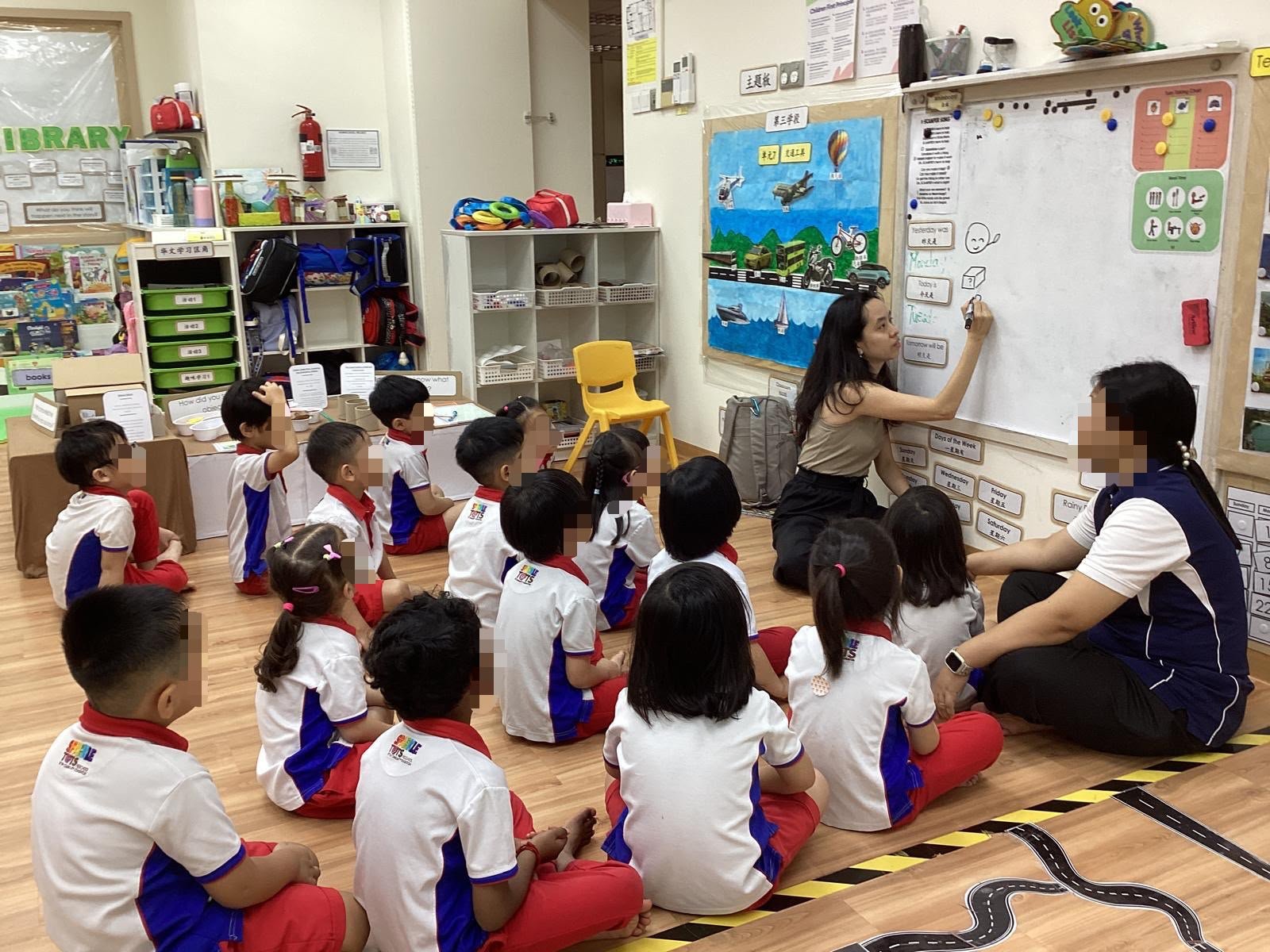
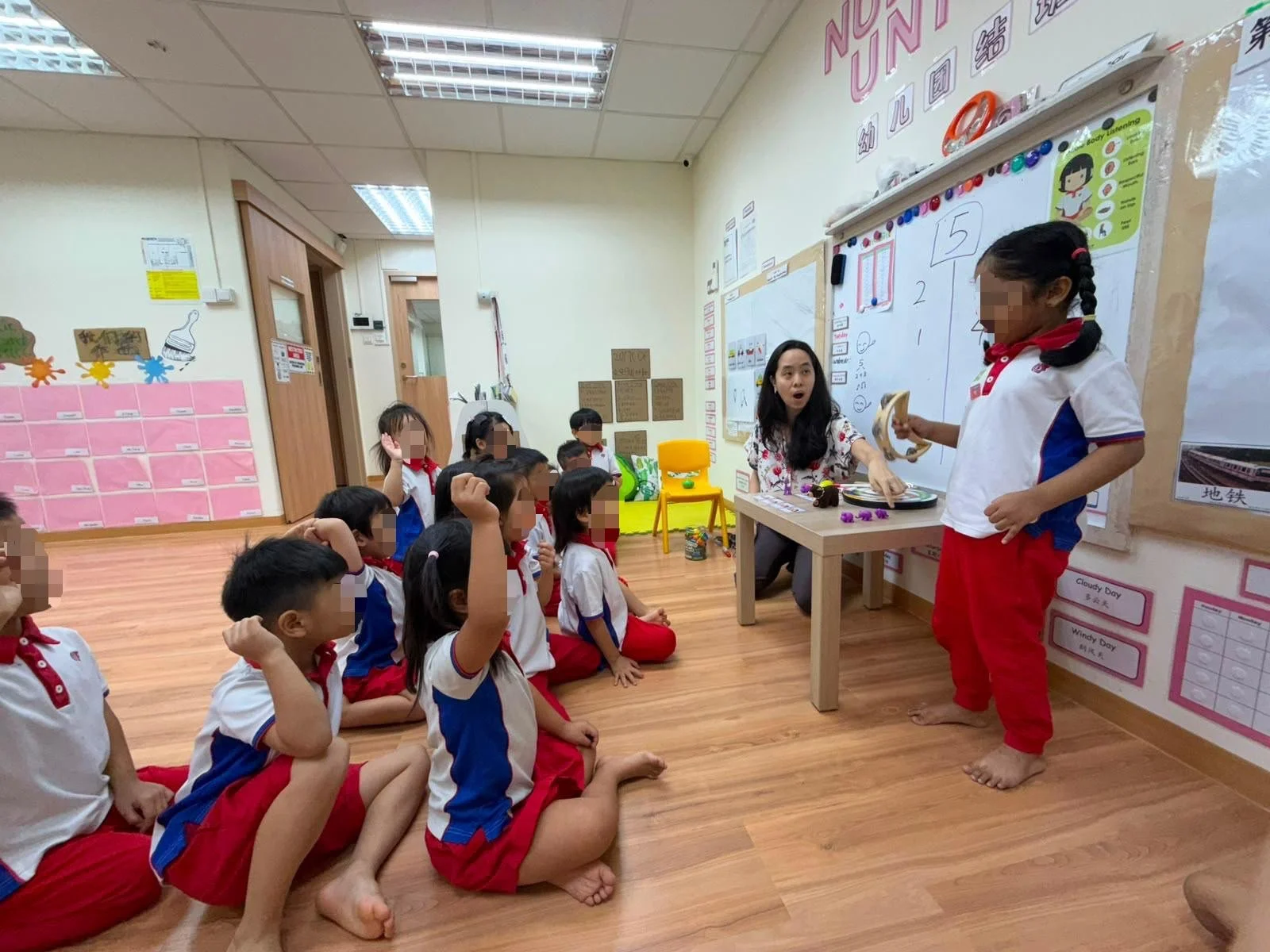
Through classroom residencies, she works side-by-side with teachers and students, modeling arts-based strategies they can use every day.
Professional Development for Educators
Job-Embedded Coaching: Teachers learn by doing, with Christina guiding them through real classroom experiences.
Sustainability: Teachers gain a toolkit of creative strategies to continue arts-infused teaching long after the program ends.
Confidence and Creativity: Teachers in Wolf Trap programs report feeling more confident and inspired in their teaching.
=======================================================================================================================================================================
Proven Impact on Children
Research shows that children in Wolf Trap-integrated classrooms experience:
The equivalent of 34 extra days of math learning in one year
Noticeable gains in language development
Growth in 21st-century skills like collaboration, problem-solving, and self-expression
testimonials
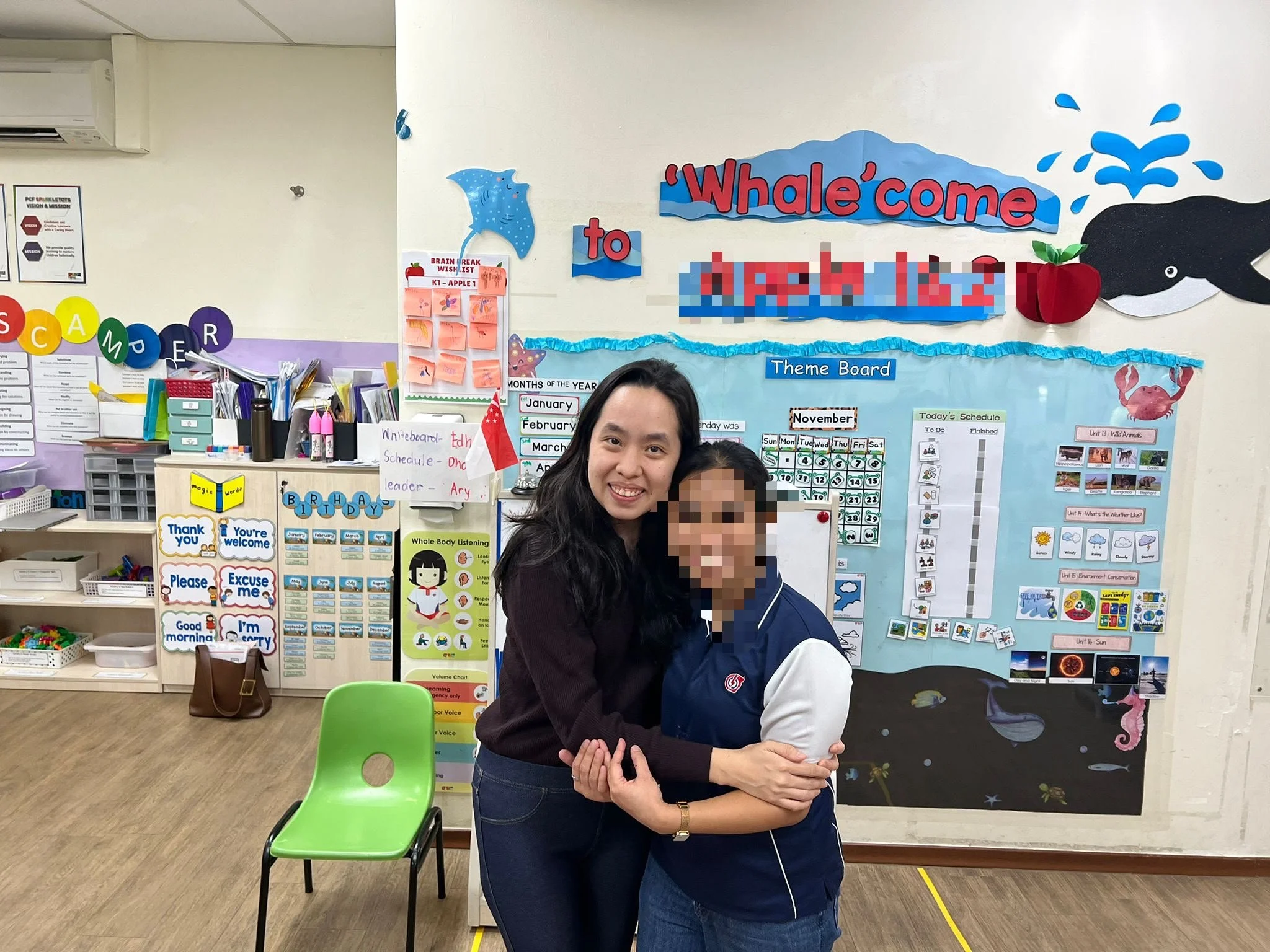
“I am truly grateful for the opportunity to be part of this meaningful residency with Singapore Theatre Company and the Wolf Trap Institute for Early Learning Through the Arts. The experience has enriched my teaching practice and brought so much joy and engagement to my classroom through the integration of music and the arts. I am especially thankful to Ms. Christina for her guidance, creativity, and inspiring strategies, which have made a lasting impact on both my students and myself as an educator.”- Teacher S
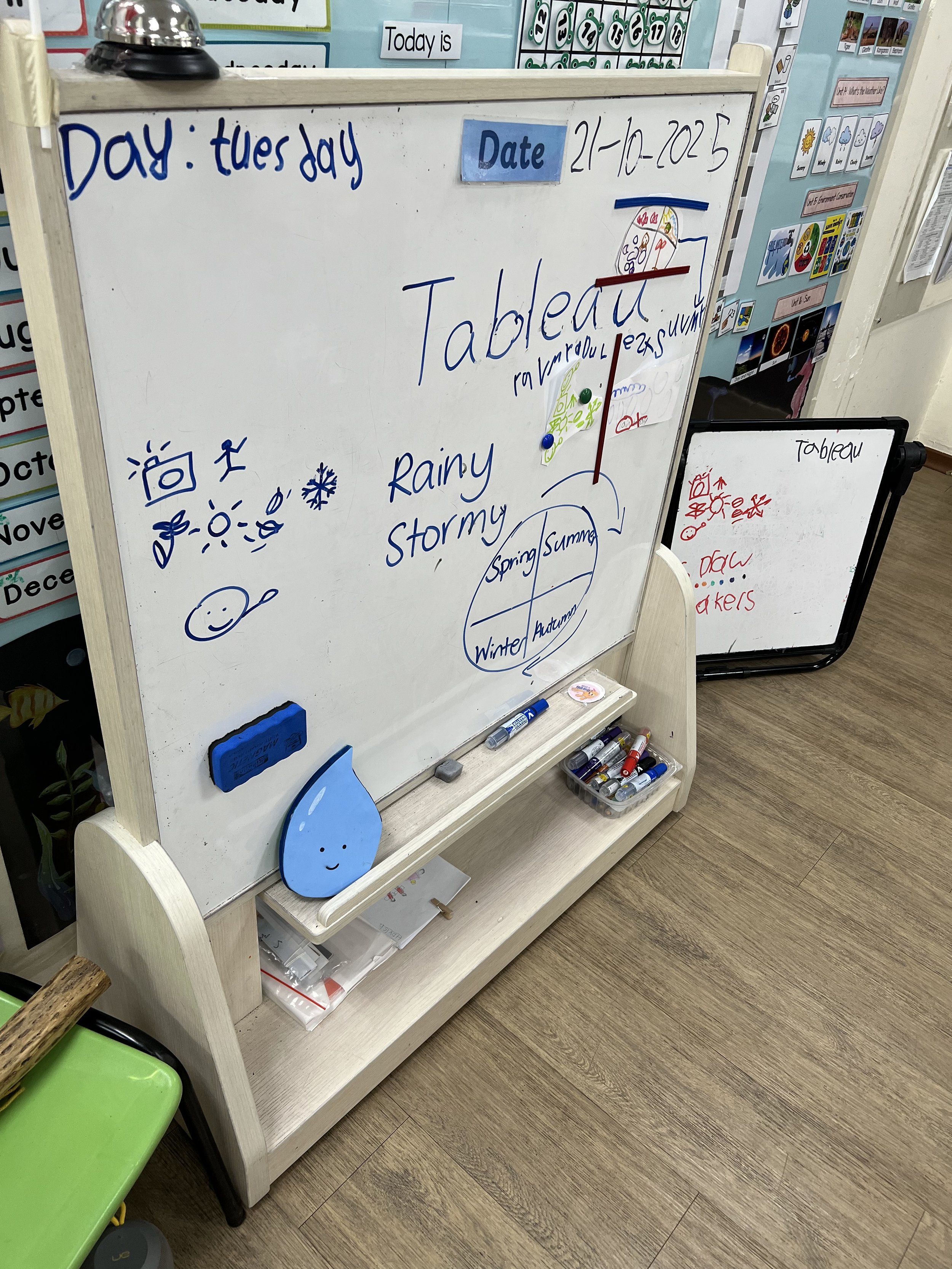
“Another key takeaway for me was learning to be more confident in expressing myself during lessons. I observed how expressive Ms Christina was when delivering music and introducing concepts to the children. For example, during the tableau lesson, I noticed how she used her whole body to represent a giraffe. It made me realise that as adults, we can sometimes become self conscious, but when we learn to let go and fully immerse ourselves in the activity, the children enjoy themselves more and become more engaged as well.
One important takeaway for me was also realising the importance of giving equal attention and opportunities to all children, including the quieter ones. Sometimes as teachers, we may unintentionally focus more on the louder or more outspoken children during lessons and interactions, without realising that the quieter children also deserve the same amount of bonding, interaction, and opportunities to participate. Through observing Ms Christina’s teaching, I noticed how patient and intentional she was in giving every child a chance to respond and express themselves. I was especially surprised by how quickly she was able to bond with one of the quieter boys in class. Initially, I had thought that he was simply very shy and would naturally take a long time to open up. However, through her patience, encouragement, and consistent interactions, I noticed that he gradually became more comfortable and started talking and participating more during the sessions. This made me realise that sometimes children may just need more time, attention, and meaningful interactions to feel safe enough to express themselves. It also made me become more mindful in my own teaching practice, and I will now make a more conscious effort to engage the quieter children in class and provide them with more opportunities to participate and build connections with the teachers and their peers.” - Teacher H
“One of the highlights of the residency was learning to think outside the box when planning and carrying out my lessons. Through the sessions with Ms Christina, I found myself exploring different ways to make learning more engaging and enjoyable, not only for the children but also for myself. One key takeaway that Ms Christina often emphasised was that teachers should first have fun and enjoy the experience themselves, as this enthusiasm naturally influences the children’s engagement and enjoyment. I found this to be very true, and it has encouraged me to approach my lessons with greater creativity and confidence.
Another highlight was gaining confidence in expressing myself. Through participating in the activities and observing Ms Christina’s facilitation strategies, I became more comfortable using my voice, facial expressions, body language, and movement to engage children. This has helped me become a more expressive and confident educator, allowing me to create richer and more meaningful learning experiences for the children.” - Teacher H
“Seeing how naturally and joyfully the children responded to music as part of their daily learning. Their enthusiasm during singing, movement, and rhythm-based activities was truly rewarding. Another highlight was learning practical strategies from Ms. Christina that I could immediately apply in class, such as using music to manage transitions and reinforce concepts. These moments stood out because they not only enhanced classroom engagement but also supported the children’s confidence, self-expression, and social interaction.”- Teacher C
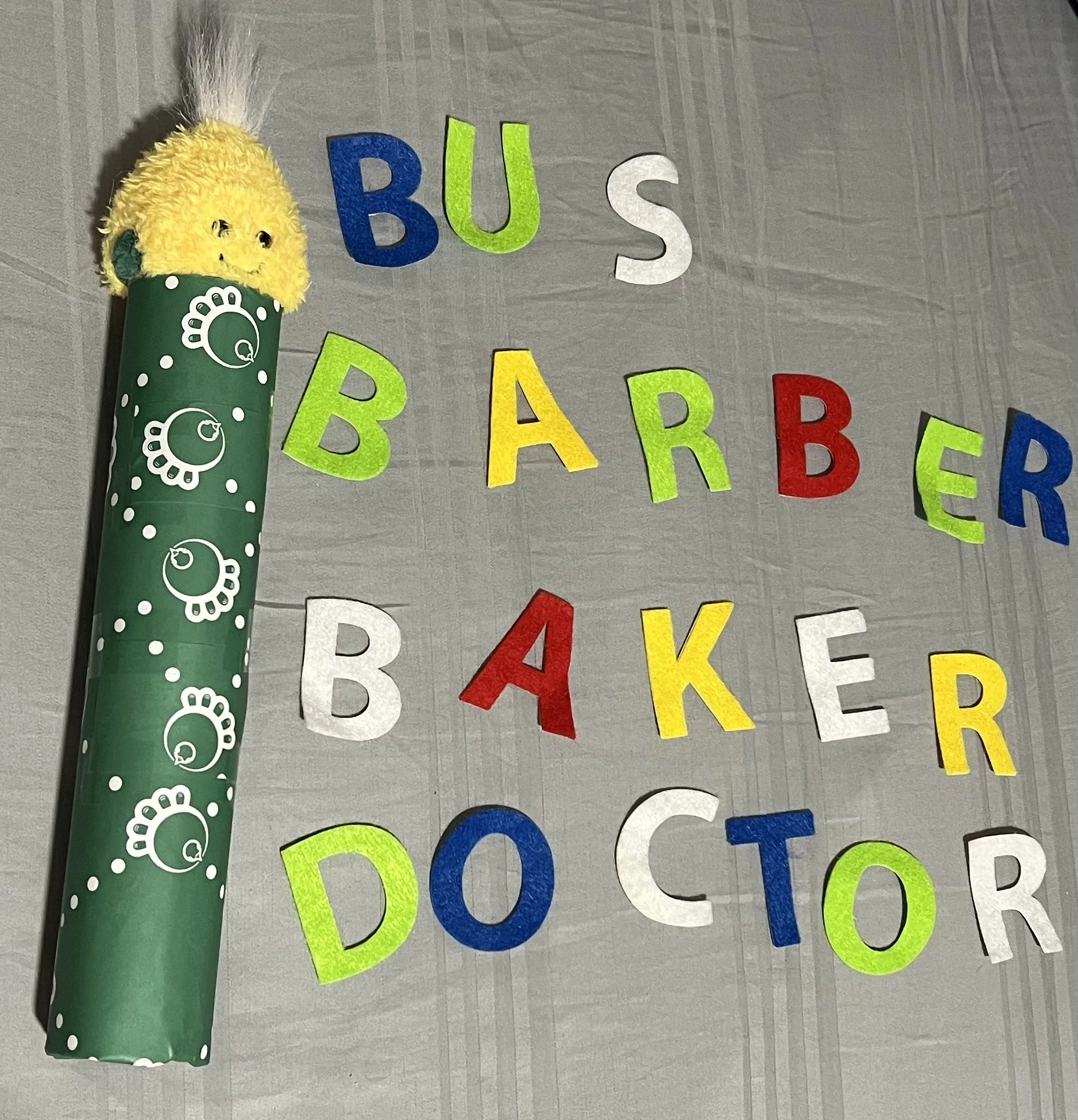
“I’ve learnt some strategies from Ms Christina that helped me apply in my class during literacy lesson like integrating puppets, writing or tracing the words with body movements, word relay game, and even singing simple rhyming songs with body movements to help them develop with coordination.
Ms Christina helped me to boost my confidence in teaching language and literacy in a creative way and apply strategies to manage the children’s behaviour as well especially children with special needs like setting boundaries for the special needs to help them regulate their behaviours and emotions.” - Teacher M
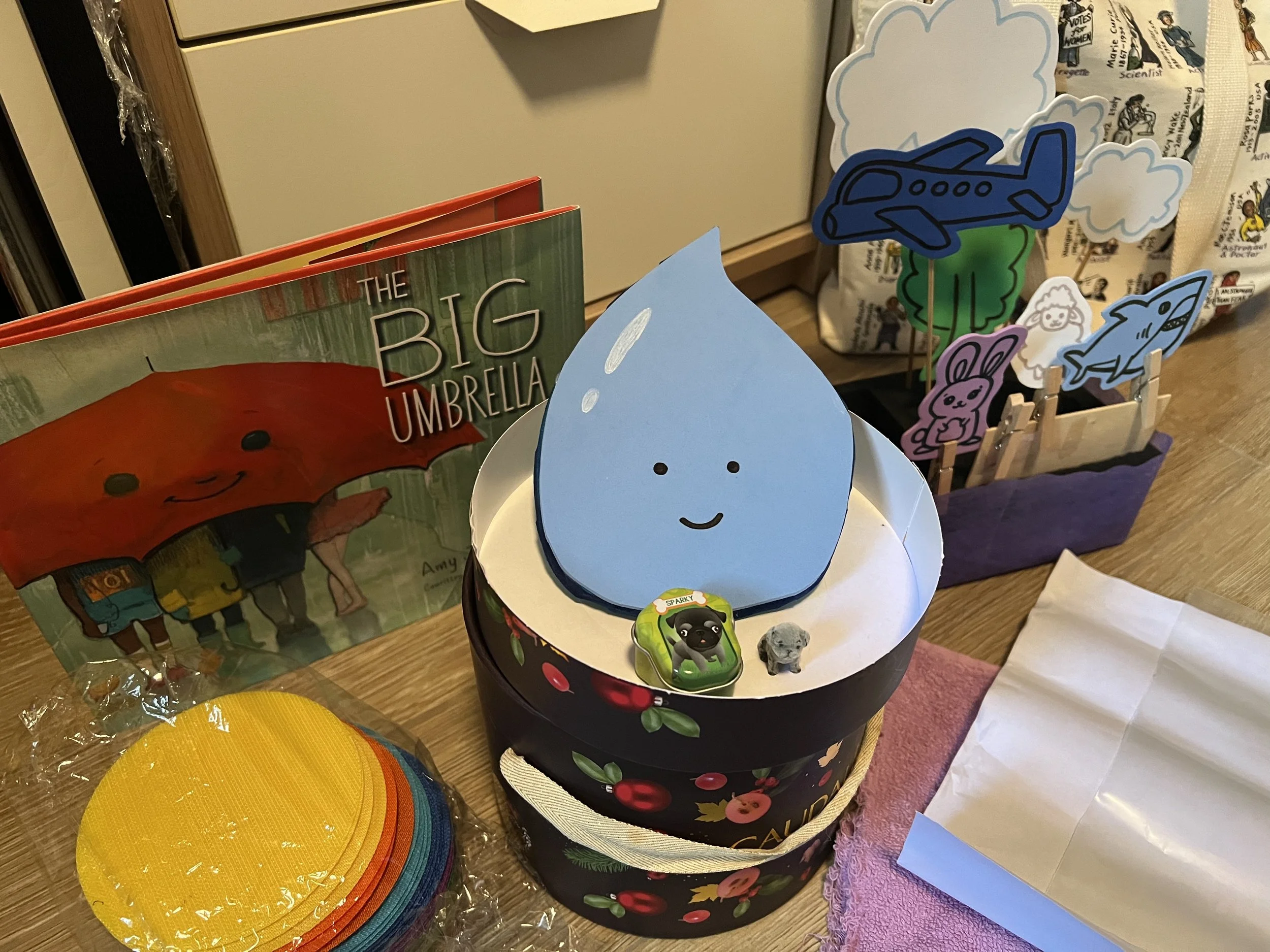
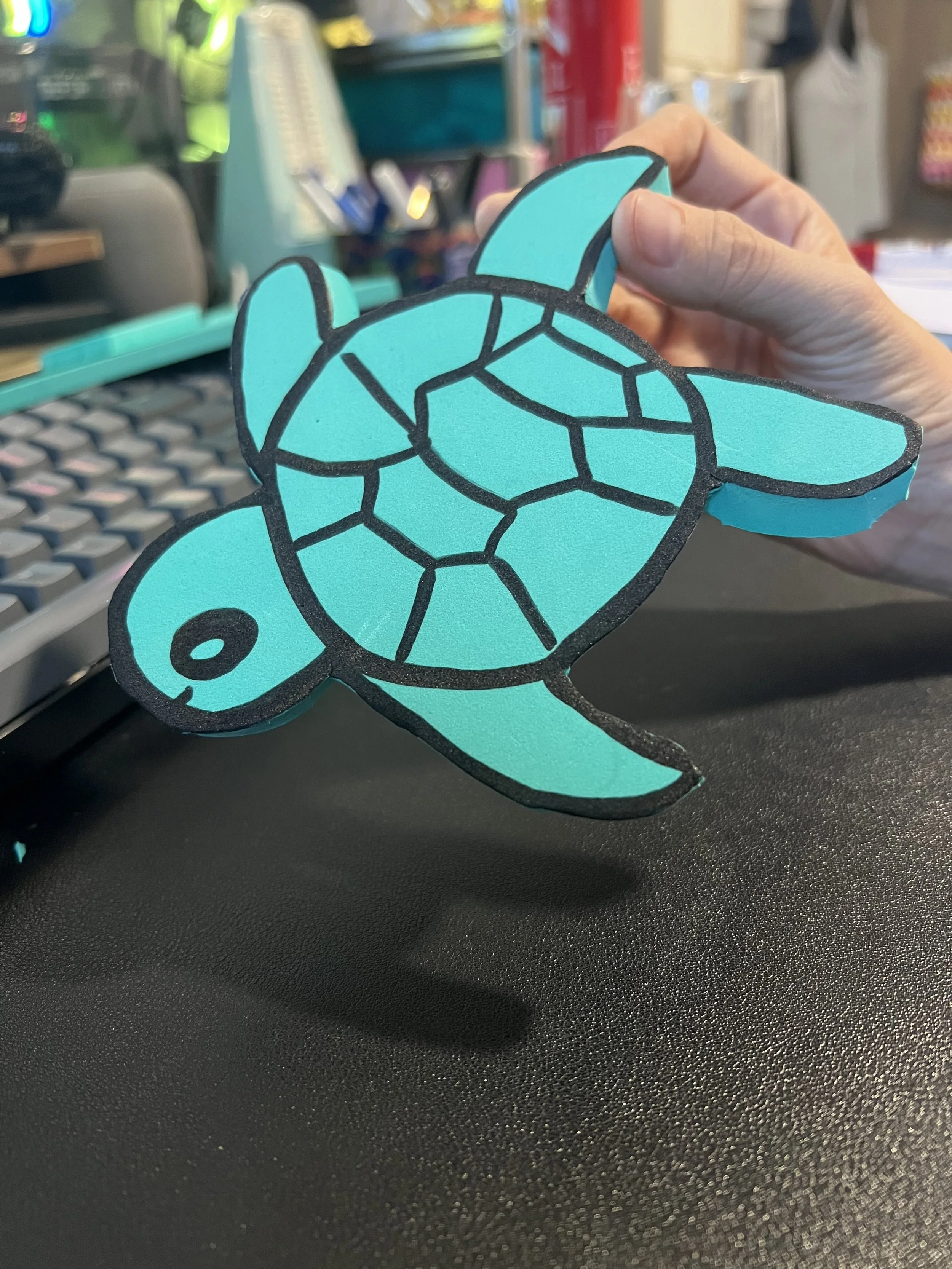
“The techniques learned and how to incorporate music and movement into the lesson. For e.g. tableau, magic mic, graphomotor skills. Using interesting props in the lesson such as the magic pen, trolley etc.
I like how Teacher Christina is able to bring back the children to the lesson when some get distracted. By using different inflection and tone of her voice.” - Teacher R
“I learnt about several classroom management strategies, such as the Magic Mic, voice levels, and other techniques to capture and maintain children’s attention while engaging them in activities. These included the use of a puppet (Sleepy Bee), Mr. Drum, and tableau activities. I also found the strategies used to encourage children to express themselves verbally very useful, such as “What’s in the Box?” and "Mr. Drum. I love the self-soothing goodbye song being sung at the end of every lesson, helping the children to bring their energy down and stay calm for the transition or next routine.” - Teacher I
“I am amazed at the different art skills that can be implemented in the classroom. I learned and picked on how to engage children using instruments and the different art skills from Christina. She is calm and warm. She guided me clearly. I enjoyed being the assistant teacher when she was implementing.
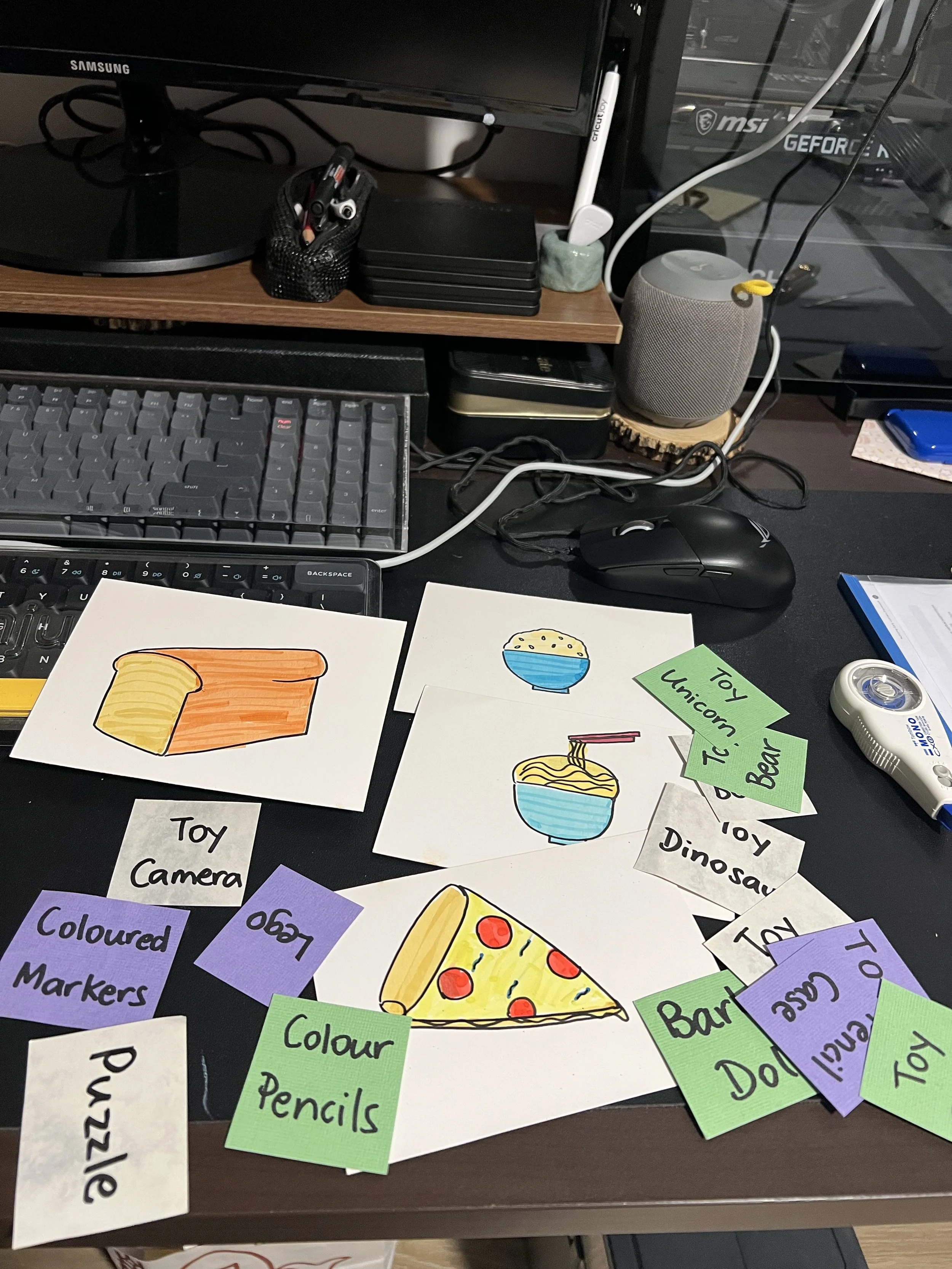
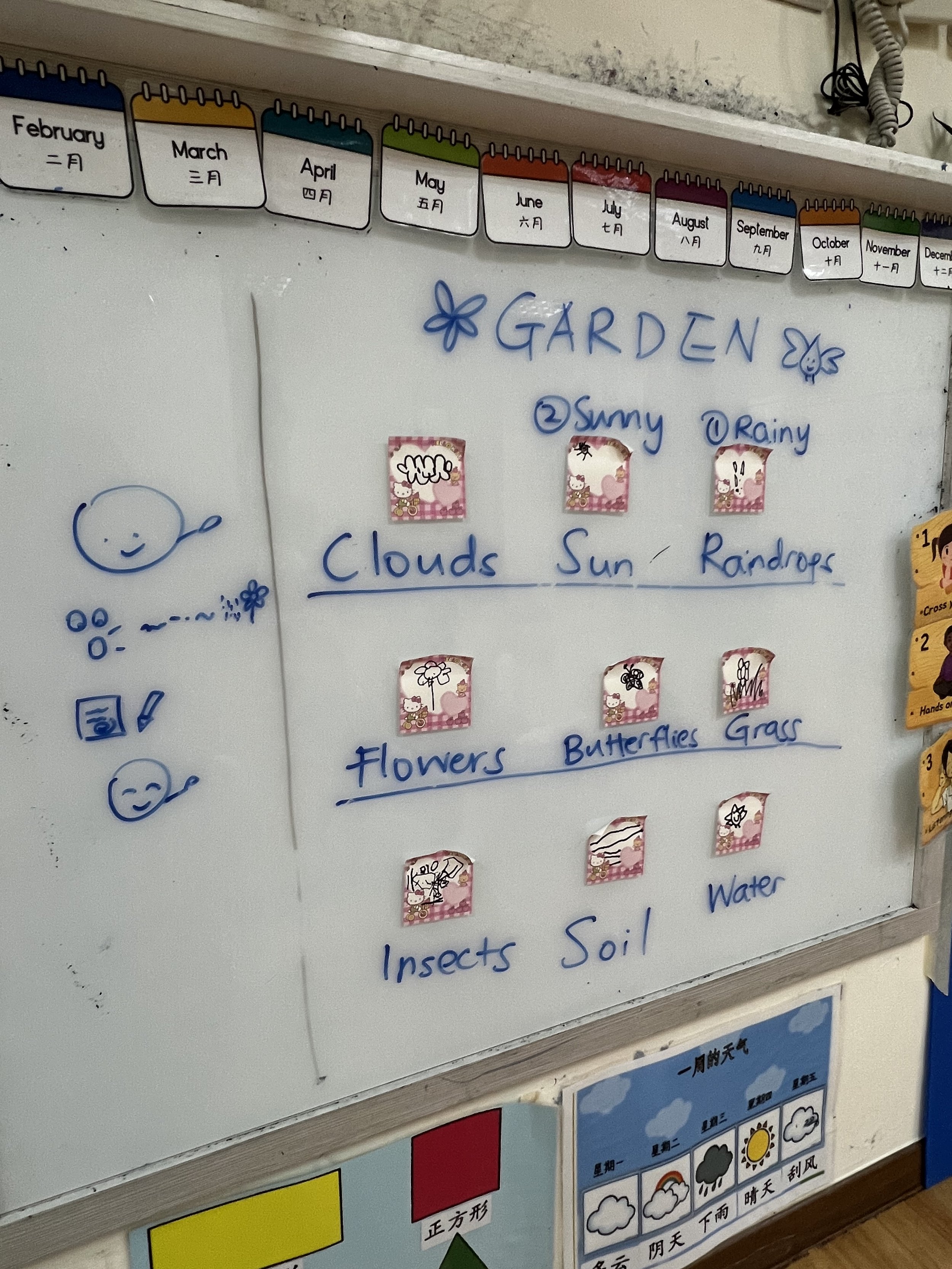
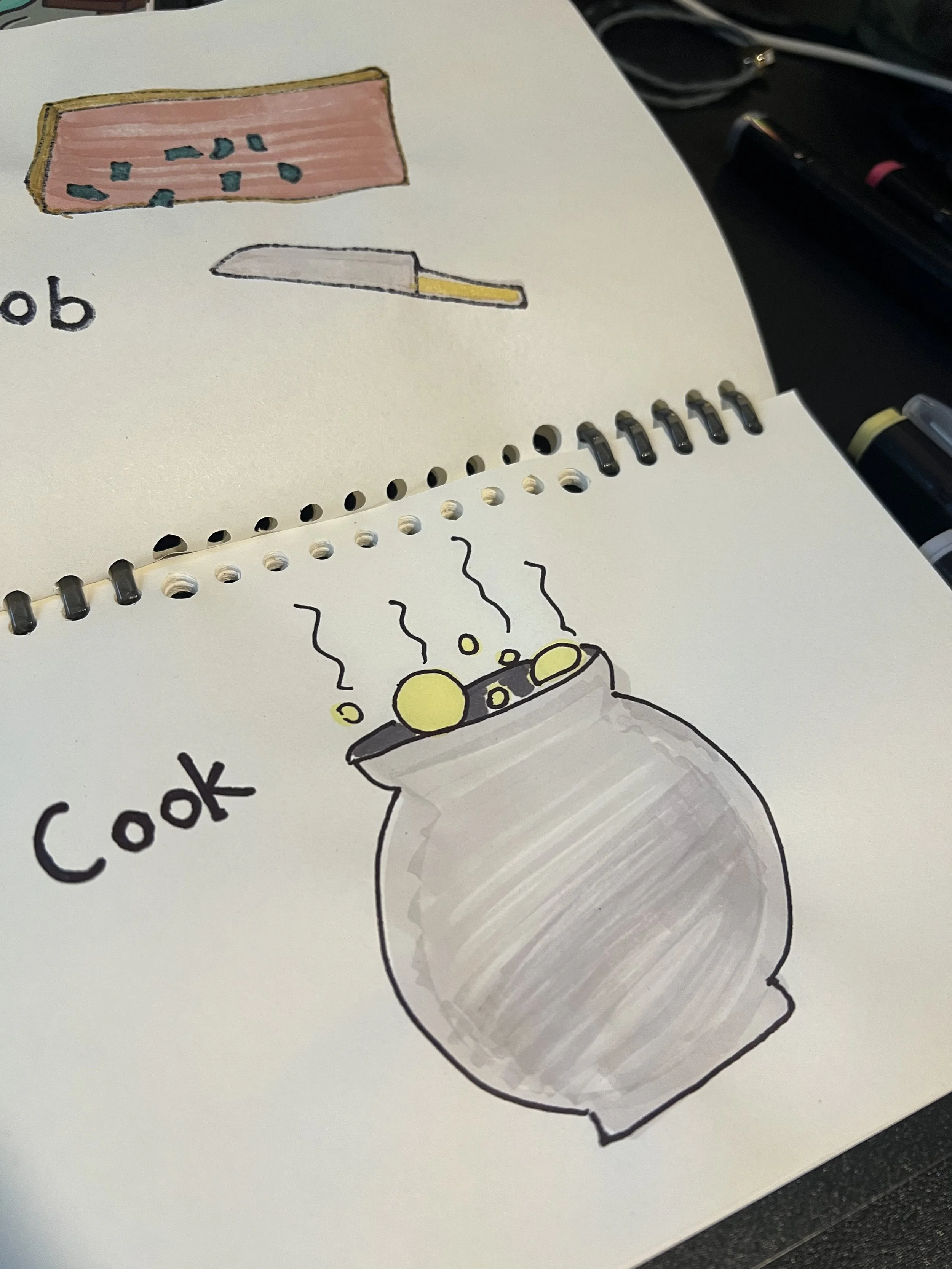
I can feel the excitement of the children everytime the pictorials was drawn before the lesson starts as it means doing activities in a fun way. It is heartwarming to see children being engaged and has positive interactions about the lessons
I realised that lessons may not always be lengthy and “boring”. It needs to be concise and focus on what is needed to be delivered and then we will need to tweak it into using art elements into our lessons.” - Teacher S
“One of the highlights of the residency was learning to think outside the box when planning and carrying out my lessons. Through the sessions with Ms Christina, I found myself exploring different ways to make learning more engaging and enjoyable, not only for the children but also for myself. One key takeaway that Ms Christina often emphasised was that teachers should first have fun and enjoy the experience themselves, as this enthusiasm naturally influences the children’s engagement and enjoyment. I found this to be very true, and it has encouraged me to approach my lessons with greater creativity and confidence.
Another highlight was gaining confidence in expressing myself. Through participating in the activities and observing Ms Christina’s facilitation strategies, I became more comfortable using my voice, facial expressions, body language, and movement to engage children. This has helped me become a more expressive and confident educator, allowing me to create richer and more meaningful learning experiences for the children.” - Teacher H